

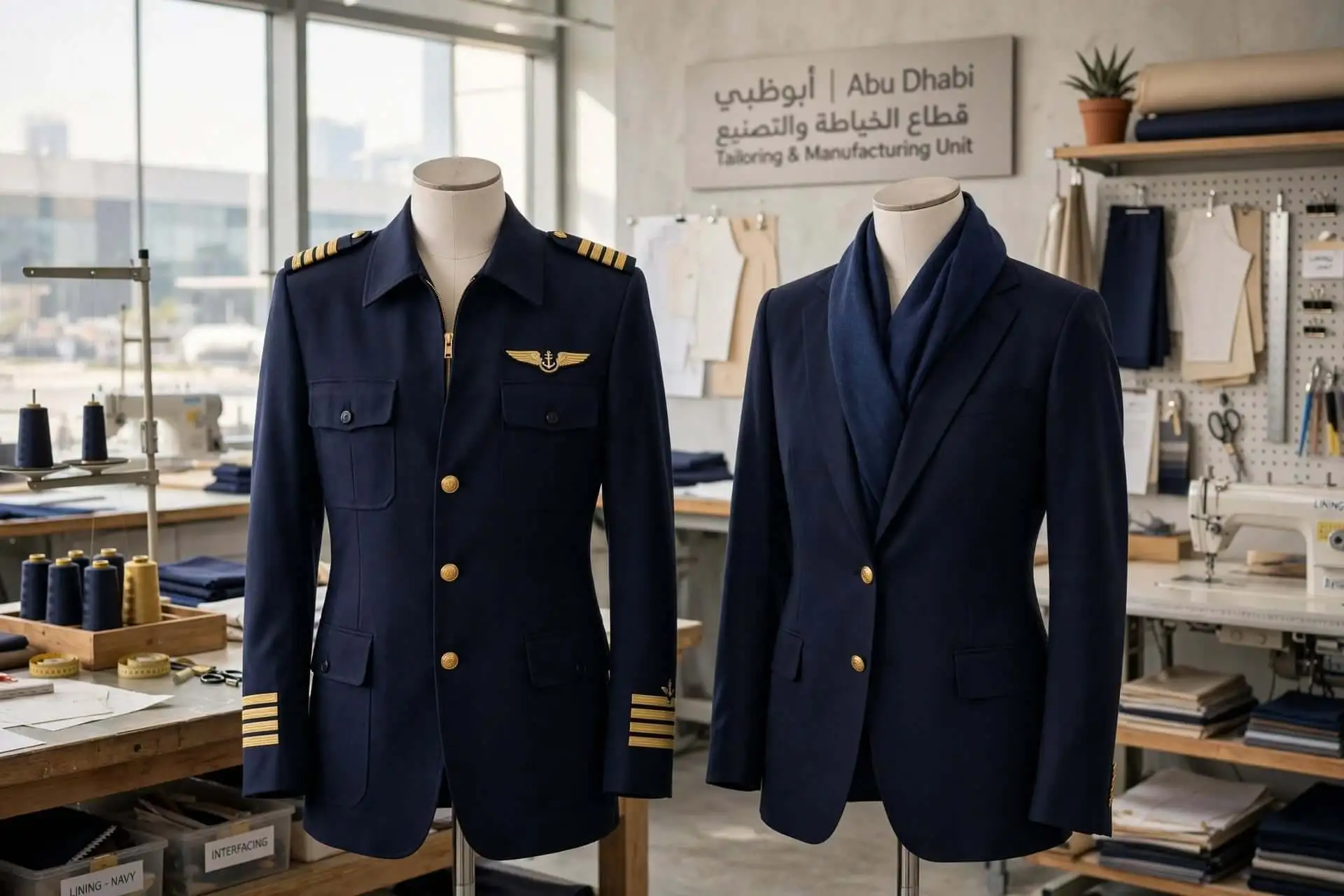
Quick answer: UAE aviation uniform standards are set individually by each airline and ground handling operator (not a single federal code), but they consistently require GCAA-compliant hi-vis and safety gear for airside roles, wrinkle-resistant wool-blend or tropical-weight fabric for flight crew, precise wing-badge and rank-insignia placement, and grooming-standard consistency across an entire fleet or ground team. A supplier needs in-house tailoring, fabric sourcing control, and airline-branding experience to meet these reliably at scale.
Ask any HR manager at a ground handling company in Abu Dhabi what “aviation uniform standards” actually means, and you’ll get a different answer depending on who they work for. Etihad has its own grooming manual. A private jet charter operator has different fabric rules than a budget ground-services contractor. Airport security and ramp crews follow GCAA safety-wear requirements that have nothing to do with what cabin crew wear on the aircraft.
That’s the part most generic uniform guides get wrong — they talk about “airline uniforms” as if one standard applies everywhere. It doesn’t.
With 14+ years supplying uniforms across Abu Dhabi and the wider UAE — including aviation clients ranging from ground handling teams to private aviation crews — we’ve built uniform programs against GCAA safety requirements, individual airline brand books, and everything in between. This guide breaks down what actually determines whether an aviation uniform passes compliance in the UAE, and what to check before you commission one.
Is there one official “aviation uniform standard” in the UAE?
No. The UAE’s General Civil Aviation Authority (GCAA) regulates flight safety, licensing, and airside operational safety — including PPE and hi-vis requirements for ramp and ground crew — but it does not issue a single mandatory design code for pilot or cabin crew uniforms. Each airline, private operator, or ground handling company sets its own uniform and grooming standards.
What this means practically:
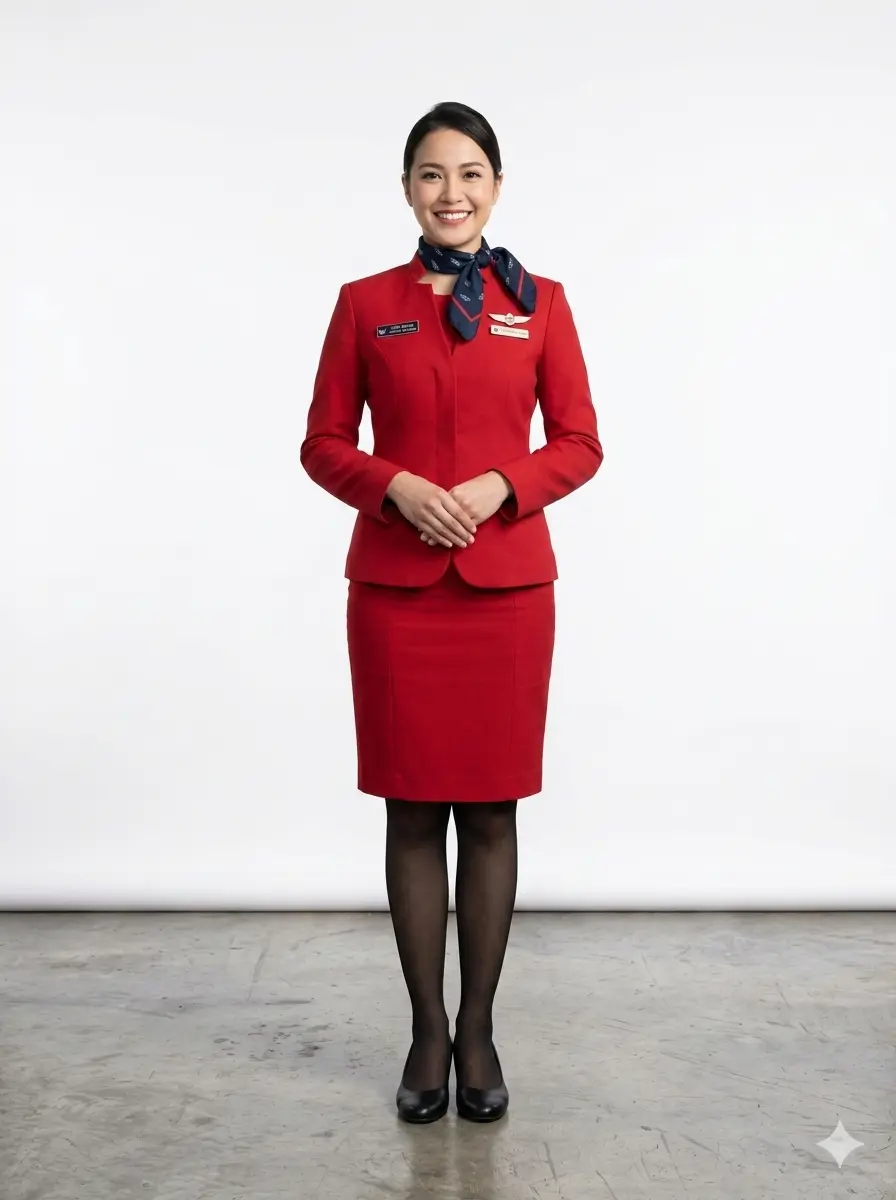
- Flight deck and cabin crew uniforms are governed by the individual airline’s brand and grooming manual — colors, fabric, insignia, and styling are a brand decision, not a regulatory one.
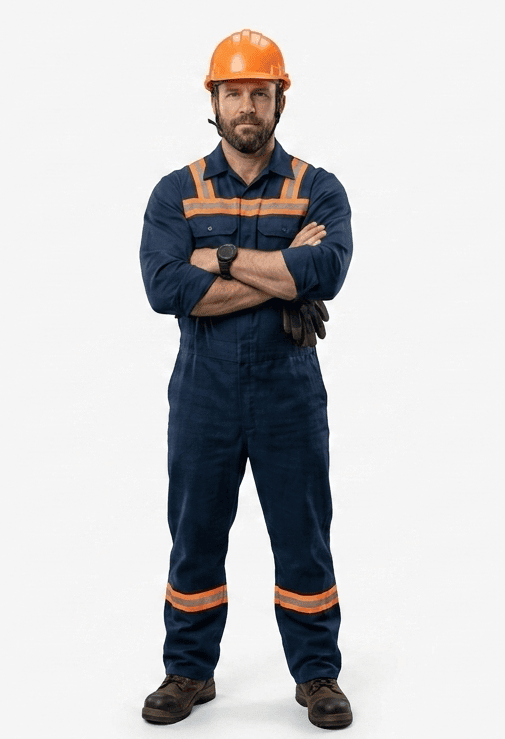
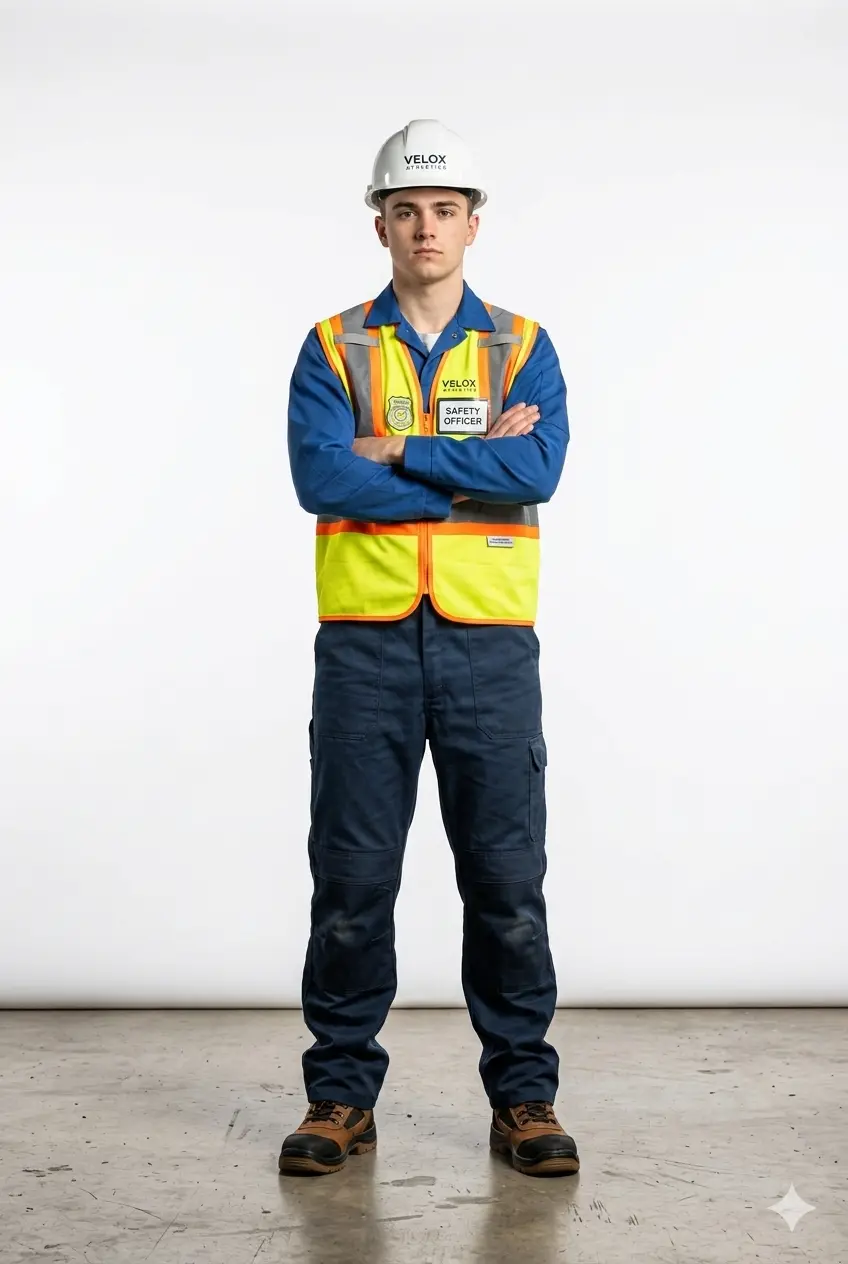
- Ground and ramp staff working airside fall under GCAA occupational safety rules, which do mandate hi-vis compliance, flame-resistance in fuel-handling zones, and specific reflective-strip placement.
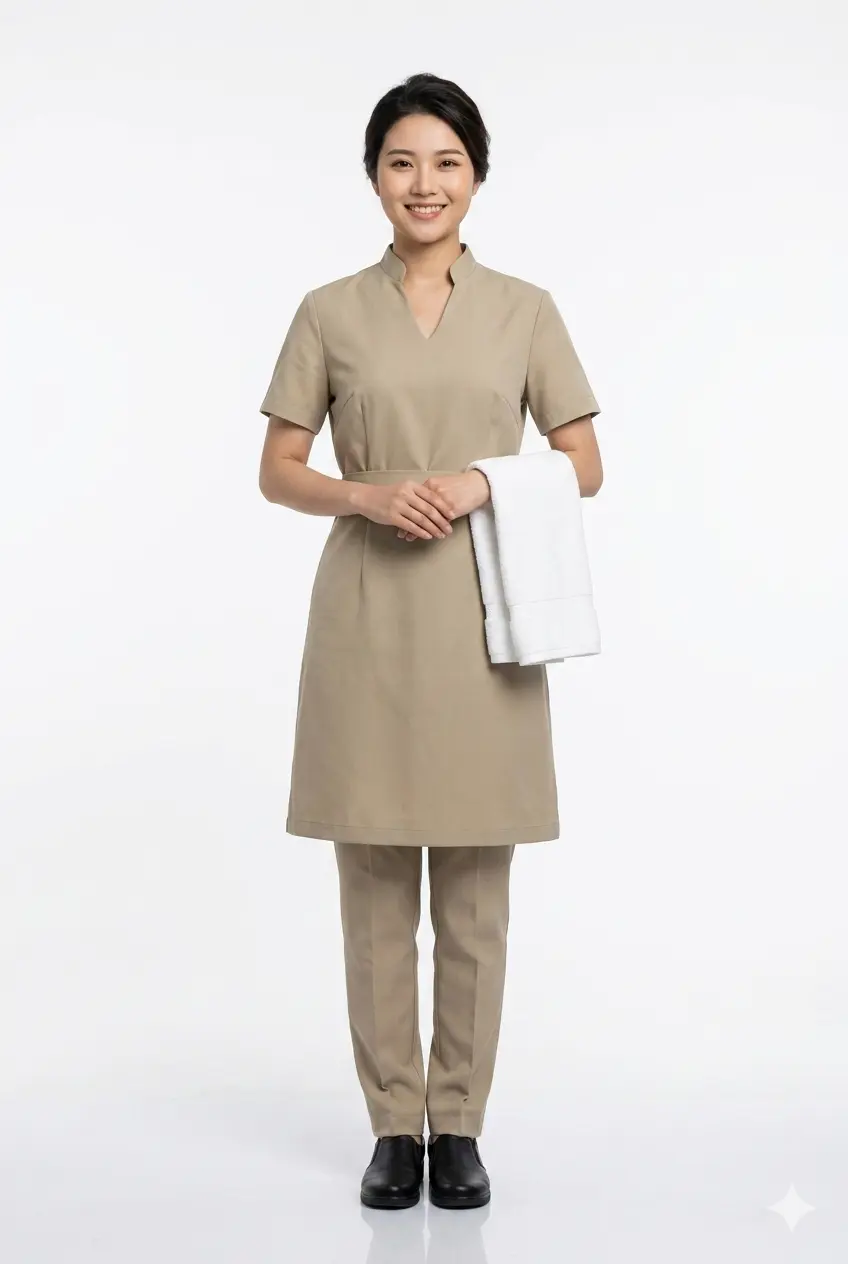
- Ground handling and private aviation companies without an in-house design team typically default to their uniform supplier’s aviation-specific templates, which need to already reflect both safety compliance and airline-grade presentation.
Because the “standard” shifts depending on the role, the real compliance question for most UAE aviation businesses isn’t “what does the law say” — it’s “does our supplier know the difference between a cabin-crew brand book and a GCAA safety spec, and can they build to both.”
What fabric requirements actually matter for aviation uniforms in UAE conditions?
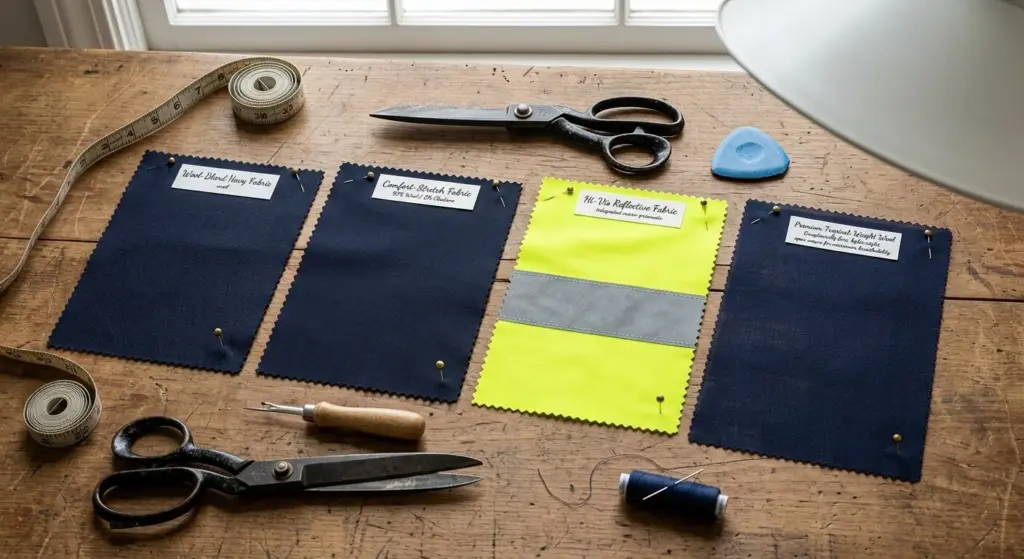
UAE aviation uniforms face a fabric problem most other industries don’t: crew move between 45°C tarmac heat and heavily air-conditioned cabins multiple times per shift, often in wool-blend or structured tailoring that wasn’t designed for that swing.
Fabric requirements by role:
| Role | Fabric priority | Why |
|---|---|---|
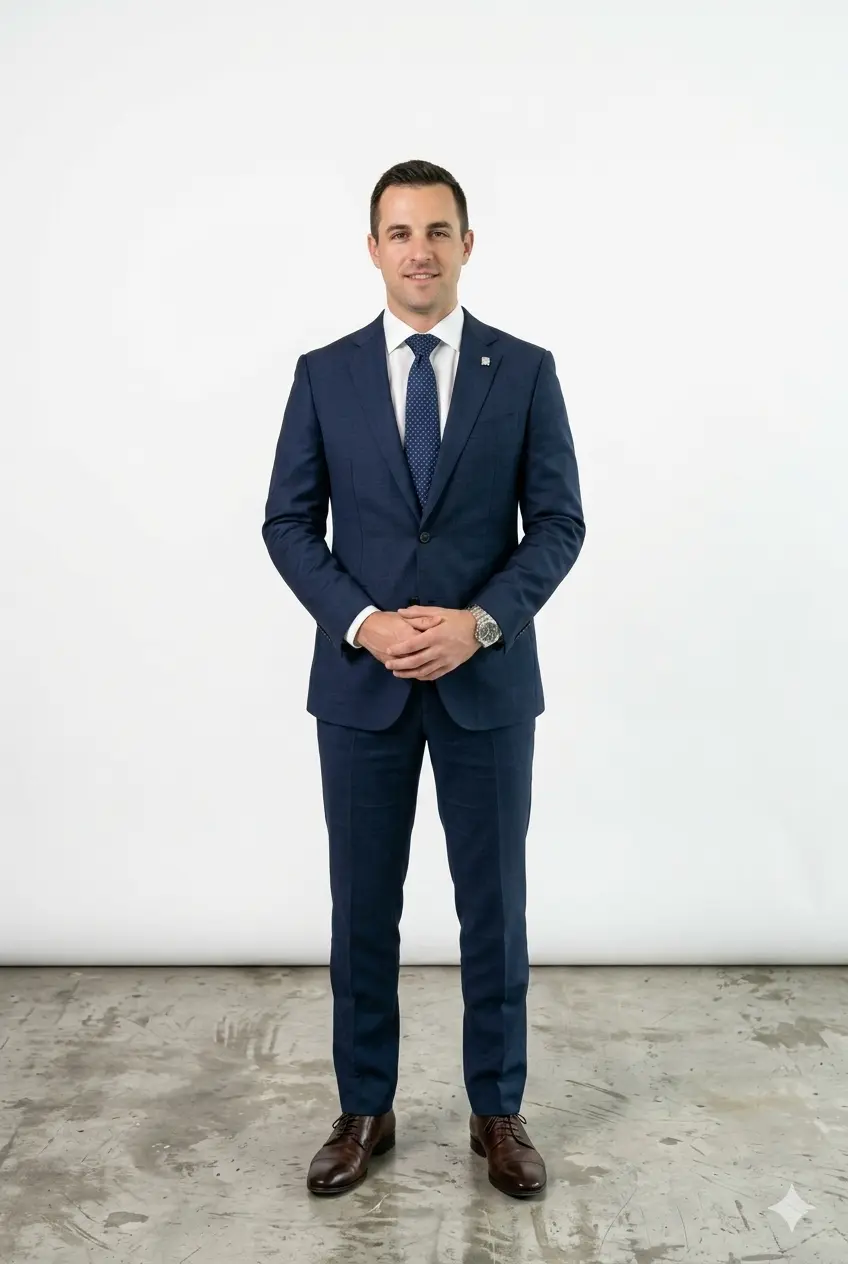
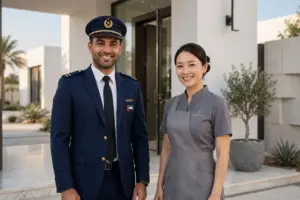
| Pilots / flight deck | Wool-blend or tropical-weight wool, wrinkle-resistant | Long-haul comfort, structured look for cockpit visibility during boarding |
| Cabin crew | Comfort-stretch blends, stain-resistant finish | Constant movement, spill exposure, full-shift wear |
| Ground/ramp crew | Hi-vis certified, breathable, reinforced stitching | GCAA safety compliance, extreme heat exposure, moving machinery |
| Executive/private aviation | Premium Italian or French fabric, discreet branding | UHNW clientele expectations, minimal logo visibility |
| Cadet/training programs | Durable, lower-cost cotton blends | Frequent replacement cycle during training |
The mistake we see most often: businesses select uniforms based on how they look in a supplier’s showroom sample, without testing performance across a full shift in actual UAE heat. A jacket that looks sharp in an air-conditioned showroom can become unwearable by hour four on the tarmac.
What does wing-badge and insignia placement actually require?
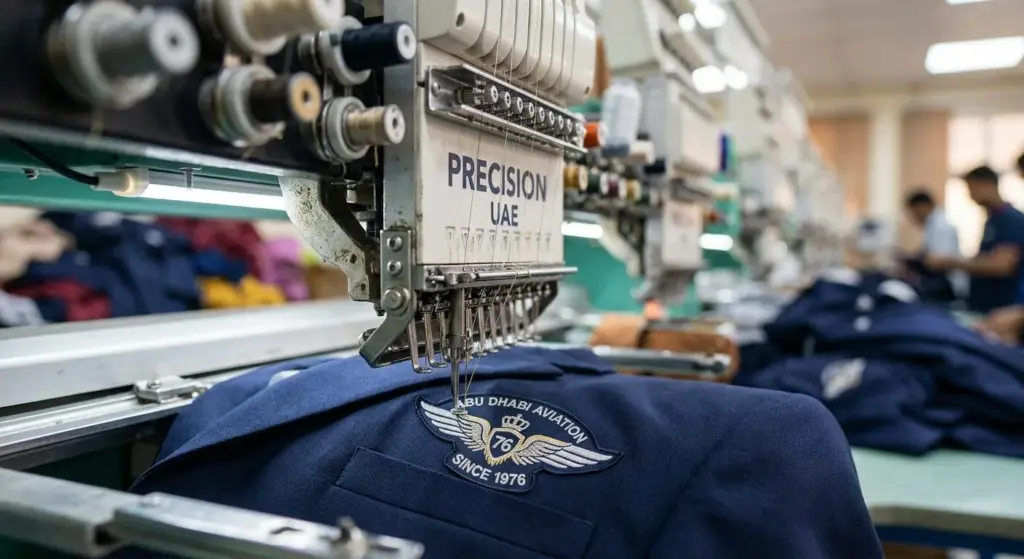
This is where generic uniform suppliers fall short, because wing badges, rank stripes, and airline crests aren’t decorative — they follow exact placement specifications set by each airline’s brand guidelines, and getting them wrong is one of the fastest ways to fail an internal audit.
What a compliant aviation uniform program needs:
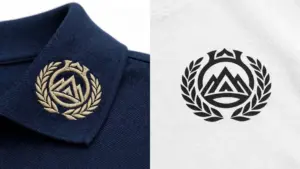
- Digital mockup before production — logo and wing-badge placement approved on a 3D preview, not guessed on the physical sample
- Pantone colour matching — airline brand colors must match exactly across every batch, not just the first order
- Consistent embroidery specification — wing badge size, thread weight, and stitch density need to be identical across every crew member’s uniform, including reorders months later
- Epaulette and rank-stripe accuracy — for airlines with tiered crew ranks, stripe count and spacing must follow the airline’s own manual precisely
We handle this by locking placement and colour specs into the design file before the first production batch runs — so a reorder six months later still matches the original exactly, not “close enough.”
How do ground handling and private aviation uniform needs differ from full-service airlines?
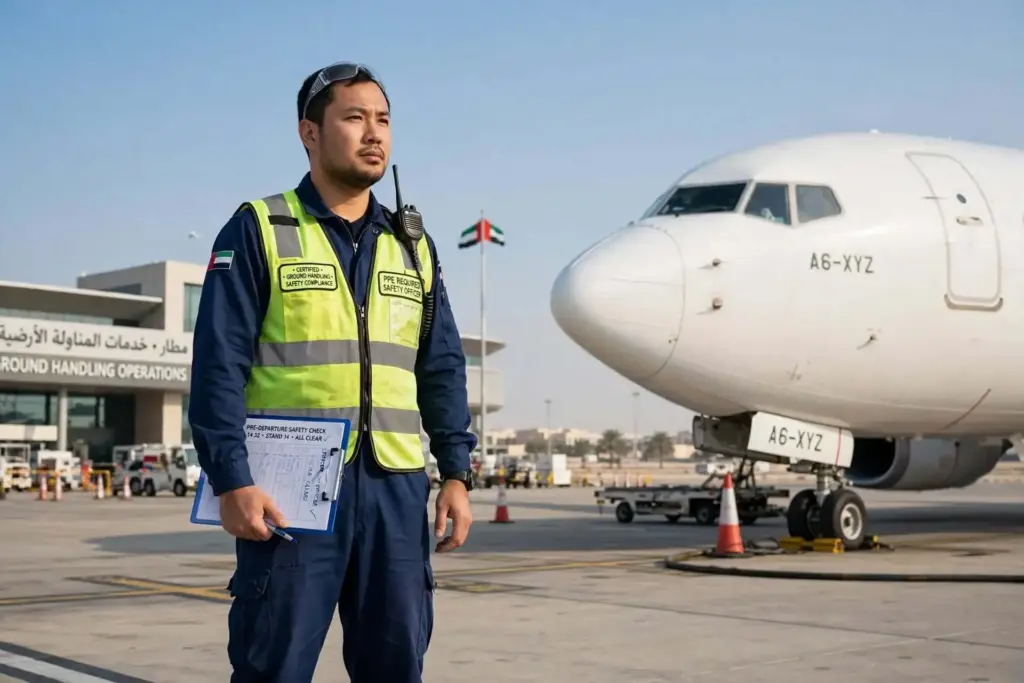
Full-service airlines usually arrive with a finished brand book. Ground handling companies and private aviation operators in the UAE often don’t — and that’s where a uniform program either becomes a strength or a liability.
For ground handling operators, the priorities are:
- GCAA-compliant hi-vis vests and coveralls for airside movement
- Durable fabric that survives daily exposure to jet fuel residue and extreme heat
- Fast reorder turnaround, since ground crews have higher uniform turnover than flight crews
For private aviation and executive charter operators, the priorities flip toward brand discretion:
- Premium tailoring with minimal or no visible branding
- Fabric and cut suited to UHNW client-facing environments
- Small-batch production, since private aviation teams are typically 10–40 crew members rather than hundreds
Both segments need the same underlying capability — in-house manufacturing that can pivot between hi-vis safety production and executive tailoring — which is exactly why aviation uniform sourcing shouldn’t be treated as a generic corporate-wear order.
Our experience — what we’ve seen supplying aviation uniforms in Abu Dhabi and the UAE
Over 14+ years and 150+ aviation clients, the recurring failure point we’ve seen isn’t fabric or fit — it’s suppliers who quote an aviation uniform job using their standard corporate-wear process, without accounting for wing-badge precision, GCAA hi-vis certification, or airline-specific colour matching.
A few things we’ve learned matter more than most first-time buyers expect:
- Reorders are where suppliers fail. A batch that matches perfectly on the first order often drifts in colour or stitching six months later if the supplier doesn’t lock specs into a reusable production file. We keep every aviation client’s Pantone match, badge placement, and fabric spec on file specifically to prevent this.
- Airside safety compliance isn’t optional, even for small ground teams. We’ve had ground handling clients come to us after a previous supplier delivered hi-vis vests that didn’t meet reflective-strip spacing requirements — a fix that should have been caught before delivery, not after an audit.
- Sizing across a full crew roster is harder than it looks. Aviation crews mix body types across a wider range than most corporate teams, and on-site measurement (rather than standard sizing charts) is what actually prevents a 15% remake rate on first orders.
How long does an aviation uniform order take, and what’s the process?
- Requirements call — team size, roles (flight deck, cabin, ground, executive), brand colours, garment types
- Digital mockup — logo and wing-badge placement shown on a 3D preview before anything is cut
- Sample approval — one sample piece produced for sizing and fabric sign-off across a representative crew sample
- Full batch production — manufactured in-house with quality control checks at each stage
- Delivery — packed and delivered UAE-wide or across the GCC, with express options for time-sensitive rollouts
Standard turnaround for aviation orders runs in line with our general 7–14 working day production window after design approval, with express delivery available for urgent crew rollouts or last-minute fleet changes.
Frequently Asked Questions
Is there a UAE government-mandated design for pilot and cabin crew uniforms?
No. The GCAA regulates airside safety and PPE requirements for ground and ramp staff, but pilot and cabin crew uniform design, colour, and branding are set individually by each airline or operator — there is no single national uniform code.
What fabric works best for cabin crew uniforms in UAE heat and air-conditioned cabins?
Comfort-stretch blends with a stain-resistant finish perform best, since cabin crew move constantly between hot tarmac conditions and cold, air-conditioned cabin environments during a single shift.
Do ground handling staff need certified hi-vis uniforms in the UAE?
Yes. Staff working airside — around aircraft, ramps, and ground equipment — need GCAA-compliant hi-vis certification, including correct reflective-strip placement and, in fuel-handling zones, flame-resistant fabric.
Can a small ground handling company or private jet operator order aviation uniforms in low quantities?
Yes. Minimum order quantities for most uniform categories start at 10 pieces per style, which works for smaller private aviation crews as well as larger fleet-wide rollouts.
How is wing badge and airline logo placement handled to stay consistent across reorders?
Placement, Pantone colour, and embroidery specifications are locked into a production file after the first digital mockup approval, so reorders months or years later match the original batch exactly.
How long does it take to produce and deliver a full aviation uniform order in the UAE?
Standard production and delivery runs 7–14 working days after design approval, with express delivery available for urgent rollouts.
Get a free aviation uniform quote
Aviation uniforms aren’t corporate wear with a wing badge stitched on — they carry real safety compliance requirements for ground crews and exact brand-consistency requirements for flight crews, and most generic uniform suppliers aren’t set up to handle both. If you’re sourcing aviation uniforms for an airline, ground handling operation, or private aviation team in Abu Dhabi or across the UAE, 247 Uniforms has supplied 150+ aviation clients over 14+ years with in-house manufacturing, GCAA-aware safety compliance, and free 3D design previews before production starts.
Get a free aviation uniform quote within 24 hours → Request a Quote | WhatsApp: +971 50 368 9310
Written by 247 Uniforms Team — 14+ years in UAE uniform manufacturing, 500+ businesses served across the UAE and GCC.



Add comment