

Let me tell you about a conversation I had with a warehouse operations manager in Mussafah not long ago. His team of about sixty workers was going through uniforms at a rate that made no sense — piling, fading, seams splitting after a few months. When I asked what fabric the supplier had used, he had no idea. Nobody had told him, and he hadn’t thought to ask.
That’s more common than you’d think. In the UAE, uniform buying conversations almost always revolve around price, logo placement, and delivery time. Fabric barely comes up. And then, three months into a brutal summer, you’ve got staff who are visibly uncomfortable, uniforms that look half-worn-out, and a reorder conversation nobody budgeted for.
So before any of that happens — whether you’re ordering for a hotel, a construction site, a clinic, or a school — here’s what you actually need to know about choosing the best fabrics for work uniforms in UAE summer heat.
Why Fabric Matters More Here Than Almost Anywhere Else
The UAE summer is not a normal summer. From May through September, temperatures regularly push past 42°C — with humidity in coastal areas that makes it feel closer to 50. People who work outdoors know this already. But even indoor workers in lobbies, kitchens, or warehouses without perfect air conditioning feel it every single day.
The wrong fabric in these conditions doesn’t just cause discomfort. It affects how staff perform, how they look to customers, and how long the uniform actually lasts. A shirt that holds moisture and doesn’t breathe will look dishevelled by noon. A coverall that traps heat becomes a genuine welfare issue on a construction site in July.
Good fabric choices, on the other hand, do real work. They regulate temperature. They wick sweat before it shows. They hold their shape across a twelve-hour shift in a way that cheaper or wrongly-chosen alternatives simply won’t. That’s worth thinking about before you place the order — not after.
The Fabrics for Work Uniforms That Actually in UAE Conditions
1. Cotton — Still the Most Trusted Choice for Most Settings
There’s a reason cotton has been the go-to in hot climates for centuries. It breathes. It absorbs moisture away from the skin. It feels natural and comfortable even after hours of wear. And unlike a lot of synthetic alternatives, it doesn’t get progressively worse as a shift goes on.
For roles that don’t involve heavy physical exertion — corporate offices, school staff, clinic reception, front-of-house hospitality — 100% cotton or high-cotton blends are genuinely hard to beat. The one thing to watch is that cotton takes longer to dry once it’s wet. For roles involving a lot of movement or outdoor exposure, that becomes a real issue.
Best for: Corporate teams, school staff, clinic and reception roles, hospitality front of house Key advantage: Natural breathability, skin-friendly, proven in heat Watch out for: Slower drying time, can wrinkle through heavy use
If you’re ordering cotton for corporate uniforms ask specifically for combed cotton — it’s smoother, stronger, and holds up noticeably better across regular washing.
2. Poly-Cotton Blends — The Most Practical All-Rounder
If I had to recommend one fabric for the widest range of UAE work environments, it would be a well-spec’d poly-cotton blend — typically around 65% polyester and 35% cotton. You get the breathability and comfort feel of cotton, combined with the shape-retention, durability, and faster drying of polyester.
This is what most experienced uniform suppliers in Abu Dhabi and Dubai default to for corporate and hospitality orders, and there’s a good reason for that. It performs consistently across a long shift, it washes well repeatedly, and it holds its structure in a way that pure cotton sometimes doesn’t. It’s not glamorous, but it works.
Best for: Corporate offices, hospitality, retail, healthcare support roles, most indoor environments Key advantage: Balanced performance — breathable, durable, shape-retaining Watch out for: Quality varies significantly between suppliers — always check the fabric weight and spec
3. Moisture-Wicking Polyester — Built for People Who Move
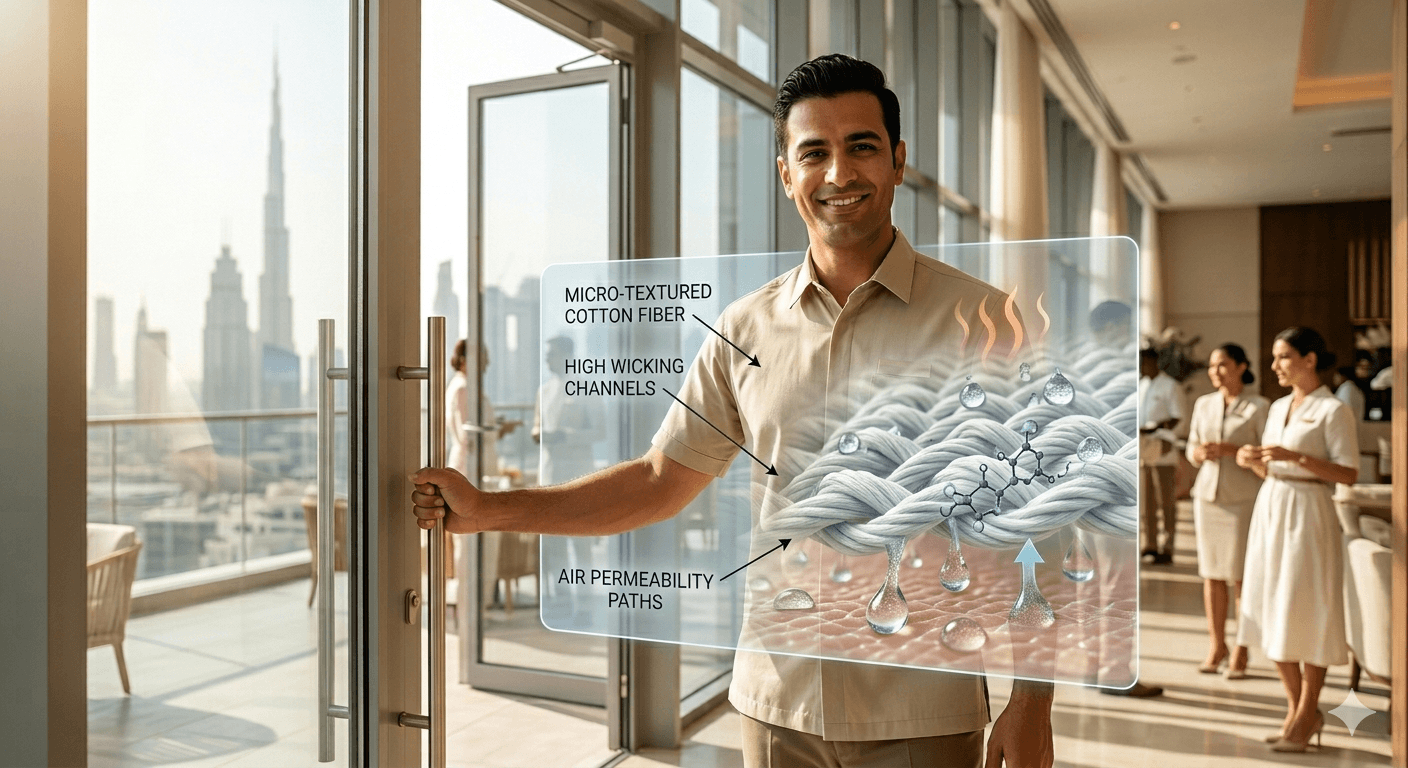
Modern performance polyester is a completely different thing from the stiff, hot synthetic fabrics people used to associate with workwear. Today’s moisture-wicking versions are engineered to pull sweat away from the skin and push it to the outer surface where it evaporates quickly. The effect is genuinely noticeable.
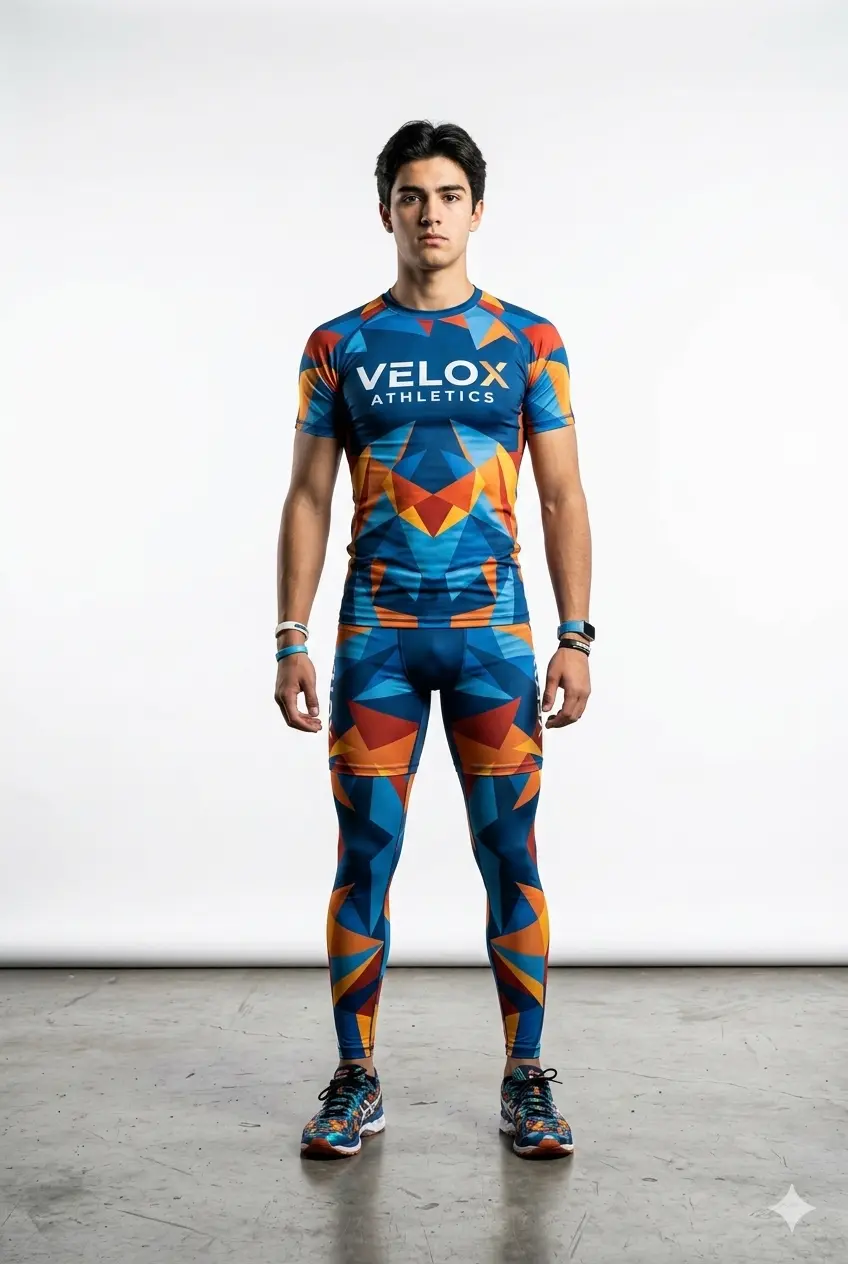
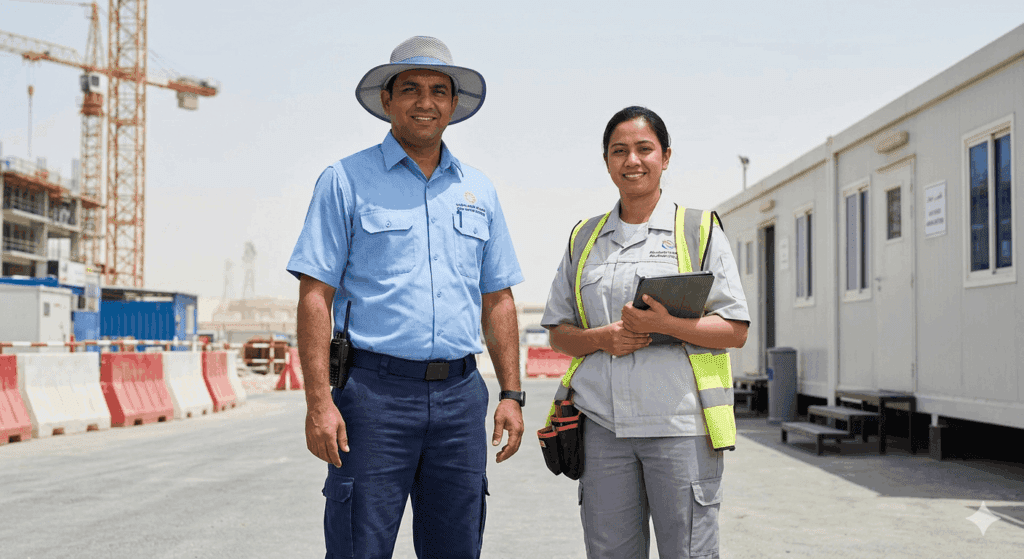
For security staff, outdoor workers, delivery teams, or anyone in a role that involves constant physical movement in the UAE heat, this is the category to be in. Staff stay drier, cooler, and more comfortable — and the uniforms don’t carry the kind of odour build-up you get with fabrics that just trap moisture against skin.
Best for: Security guards, outdoor roles, delivery staff, sports and fitness environments Key advantage: Fastest at managing sweat, very lightweight, excellent for high-movement roles Watch out for: Lower-quality versions can feel synthetic against skin — spec matters here
This category has a wide quality range. The difference between a good moisture-wicking fabric and a cheap one is immediately obvious to the person wearing it. Don’t let a supplier swap you to a lower grade without flagging it.
4. Ripstop — For Industrial and Construction Workwear
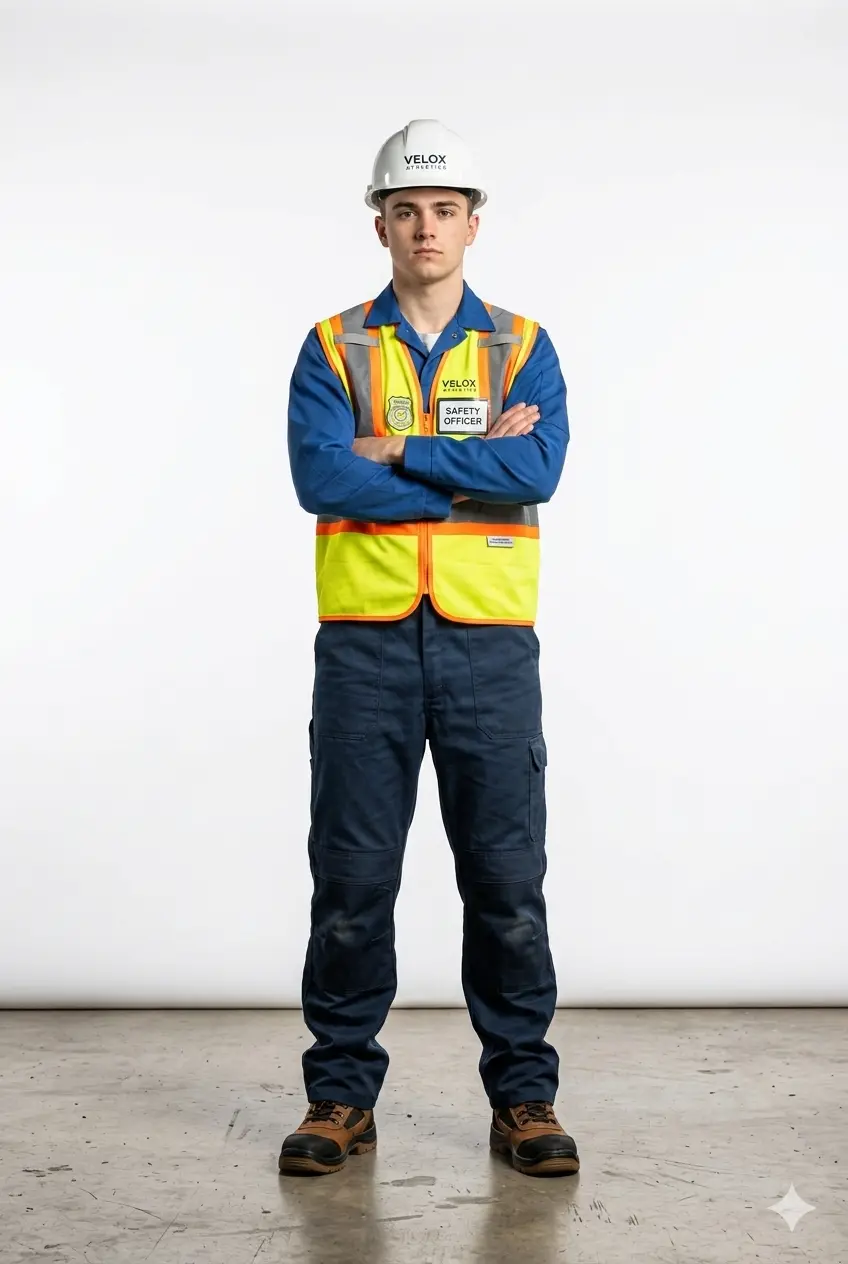
If your team works on a construction site, in a factory, or in any environment where uniforms take real physical punishment, you need to be in the ripstop category. The cross-weave reinforcement pattern means small tears don’t spread — which directly affects how long the uniform lasts in rough conditions.
It’s also lighter than it looks given its durability, and it can be treated with coatings for UV protection, flame resistance, and anti-static properties — all of which matter for industries operating under UAE safety regulations. If a supplier is offering you a cheaper, heavier alternative for a construction crew and can’t tell you what standards it meets, that’s the wrong call.
Best for: Construction, manufacturing, maintenance, outdoor industrial roles Key advantage: Tear-resistant, durable, can be safety-treated Watch out for: Less comfortable directly against skin — best paired with a moisture-wicking underlayer for long shifts
5. Linen — Underused and Excellent for Premium Settings
Linen doesn’t come up often enough in UAE uniform conversations, and it probably should. It’s one of the most breathable natural fibres in existence — it actually gets cooler as it absorbs moisture — and it has a texture and drape that reads as high-end in a way that cotton or polyester blends often don’t.
For luxury hotels, fine dining restaurants, boutique retail, or any brand where the uniform needs to carry a premium feel, linen is worth serious consideration. You’ll see it used across upscale properties in Dubai and Abu Dhabi specifically because it performs well in heat while looking genuinely refined. The wrinkle factor is real, but for the right setting it’s a worthwhile trade-off.
Best for: Luxury hospitality, fine dining, boutique retail, high-end client-facing roles Key advantage: Outstanding breathability, natural premium appearance Watch out for: Wrinkles more readily — better suited to roles that don’t involve heavy physical movement
What to Avoid — And Why for Fabrics for Work Uniforms in UAE Summer Heat
Just as important as knowing what works is knowing what to steer clear of. These are the fabric choices that cause the most problems in UAE summer conditions:
- Heavy non-wicking polyester — Traps heat and moisture against the skin. Staff will notice within the first week.
- Nylon — Sticks to skin in high humidity and doesn’t breathe well enough for outdoor or high-activity roles.
- Thick twill or denim-weight fabrics — Fine for cooler climates, too heavy for anyone spending significant time outdoors in summer.
- Blended fabrics with no clear spec — If a supplier can’t tell you the exact fabric composition and weight, that vagueness is never in your favour.
One thing worth adding — don’t let a supplier talk you into a heavier fabric by framing it as “more durable.” Durability in UAE summer conditions is about how well the fabric handles heat, moisture, and repeated washing. A fabric that’s too heavy for the environment will deteriorate faster, not slower, because staff will be washing it more often and it’ll be under more strain throughout every shift.
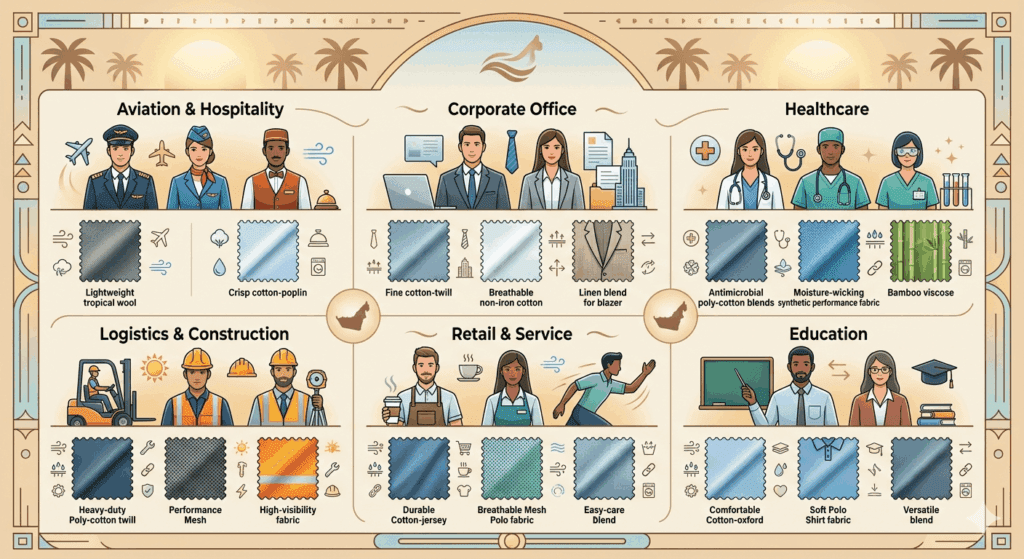
Quick Reference: Right Fabric for Work Uniforms by Industry
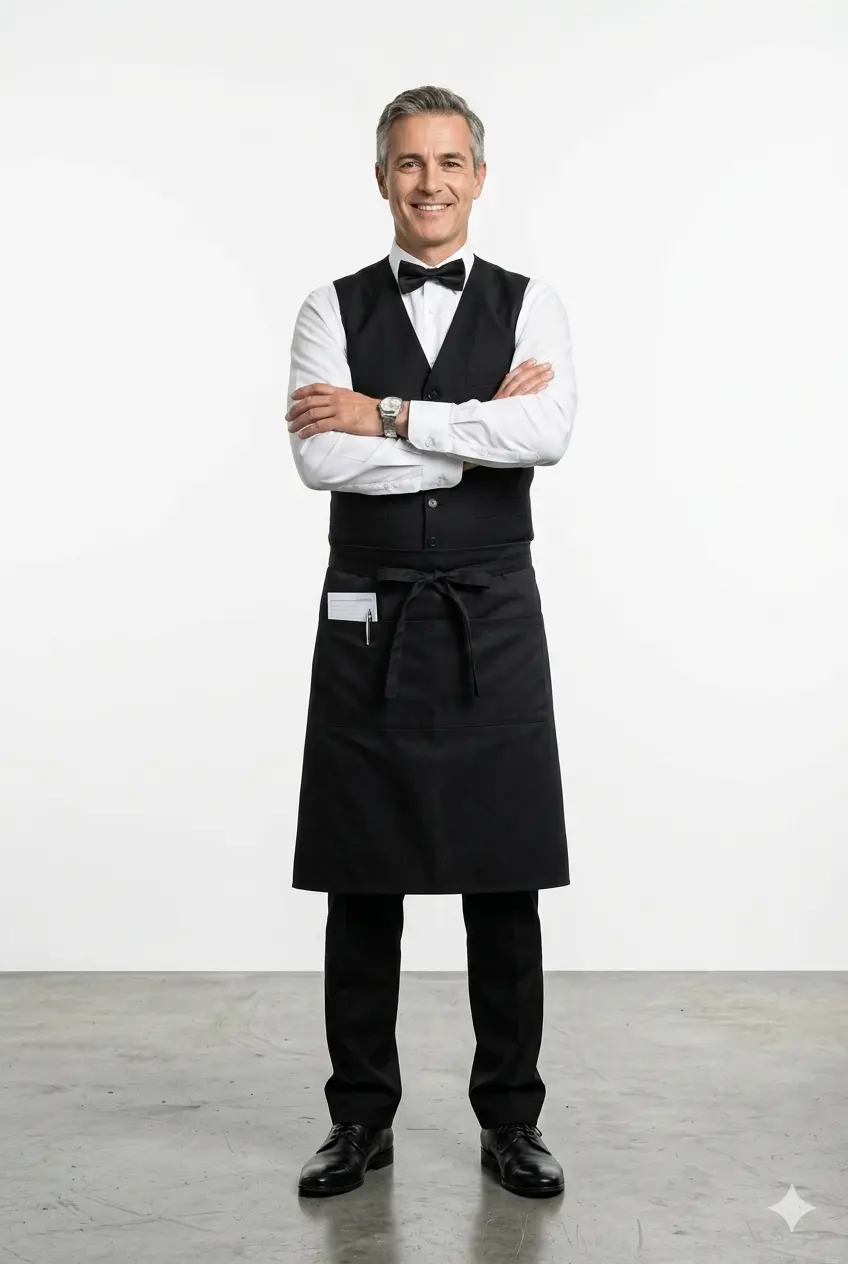
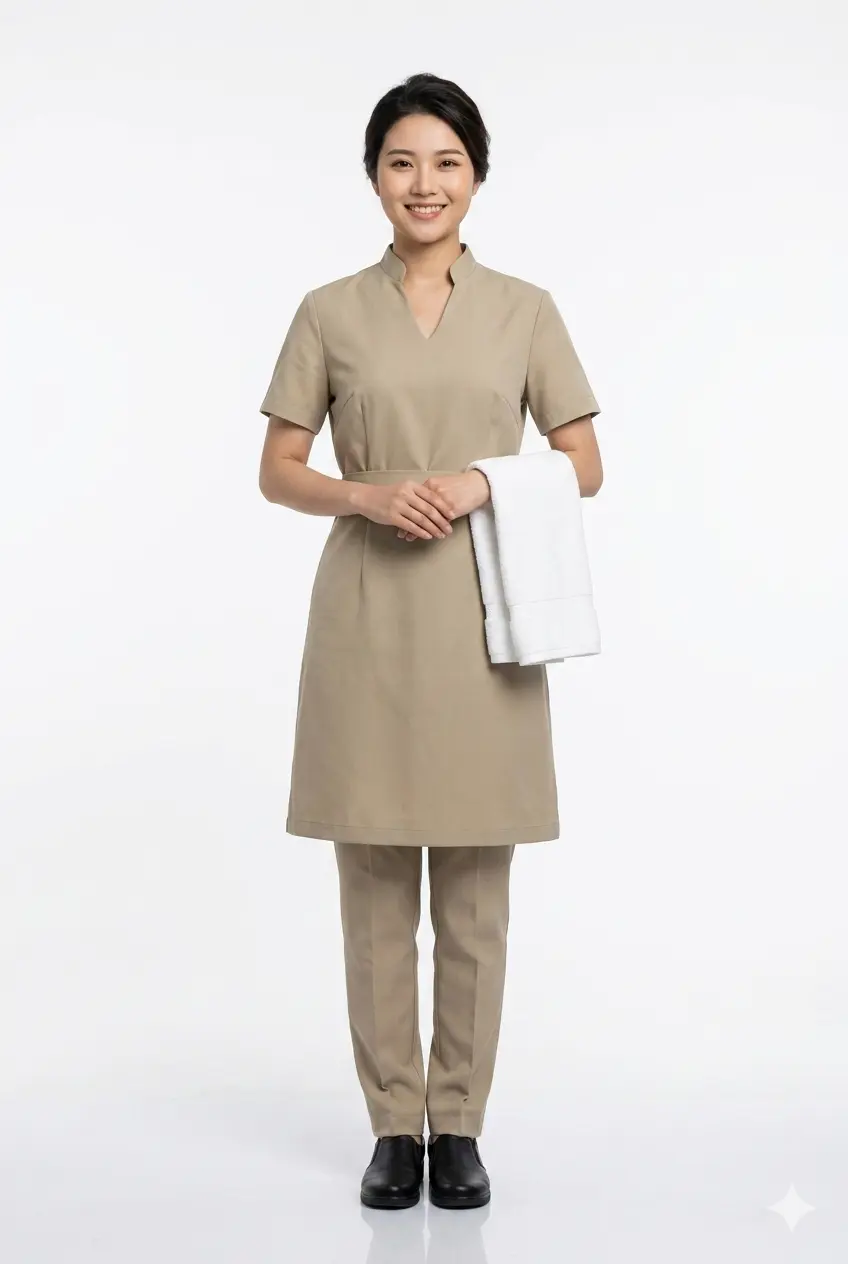
Hotels and Restaurants Front-of-house staff in air-conditioned environments do well in poly-cotton blends or linen for premium properties. Kitchen staff need moisture-wicking performance fabrics — they’re working in the hottest part of the building. Don’t give a chef the same fabric as a reception manager.
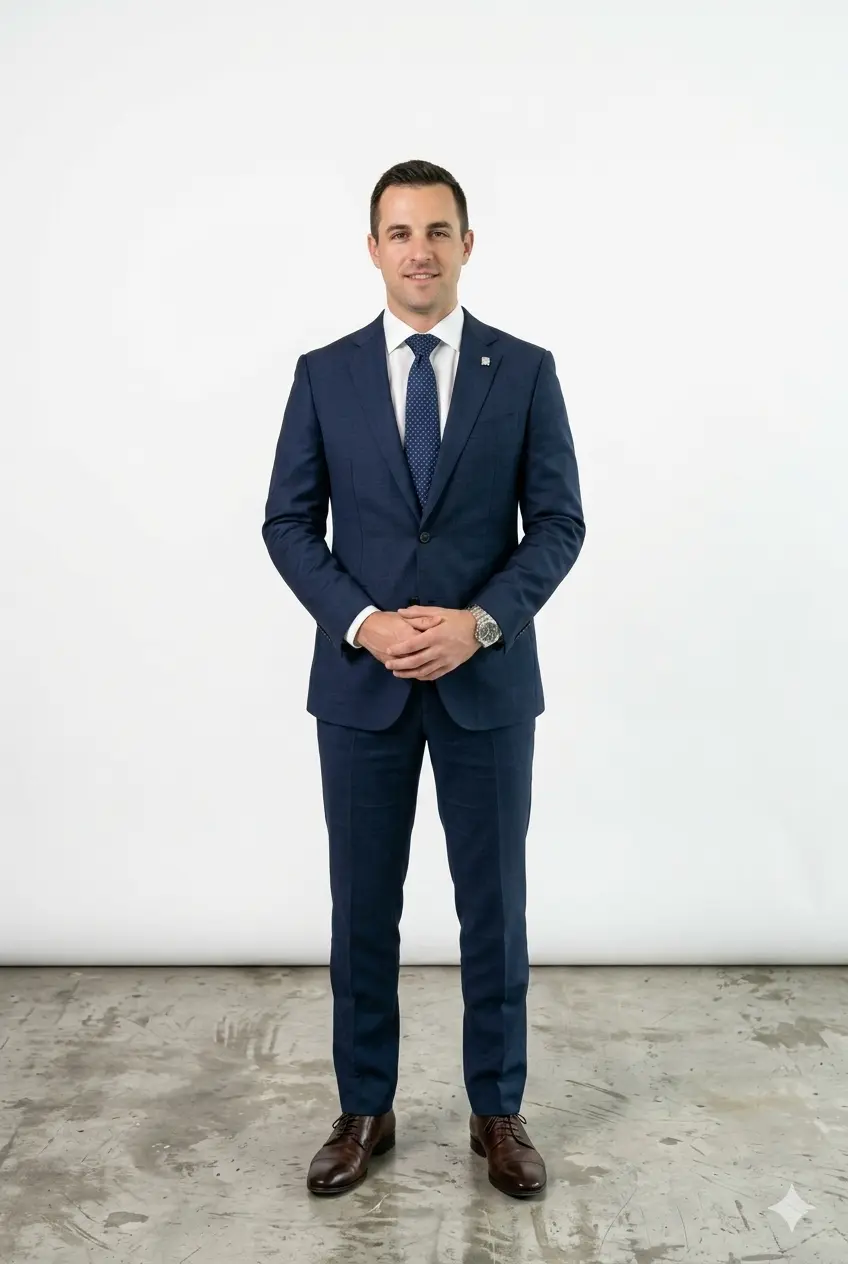
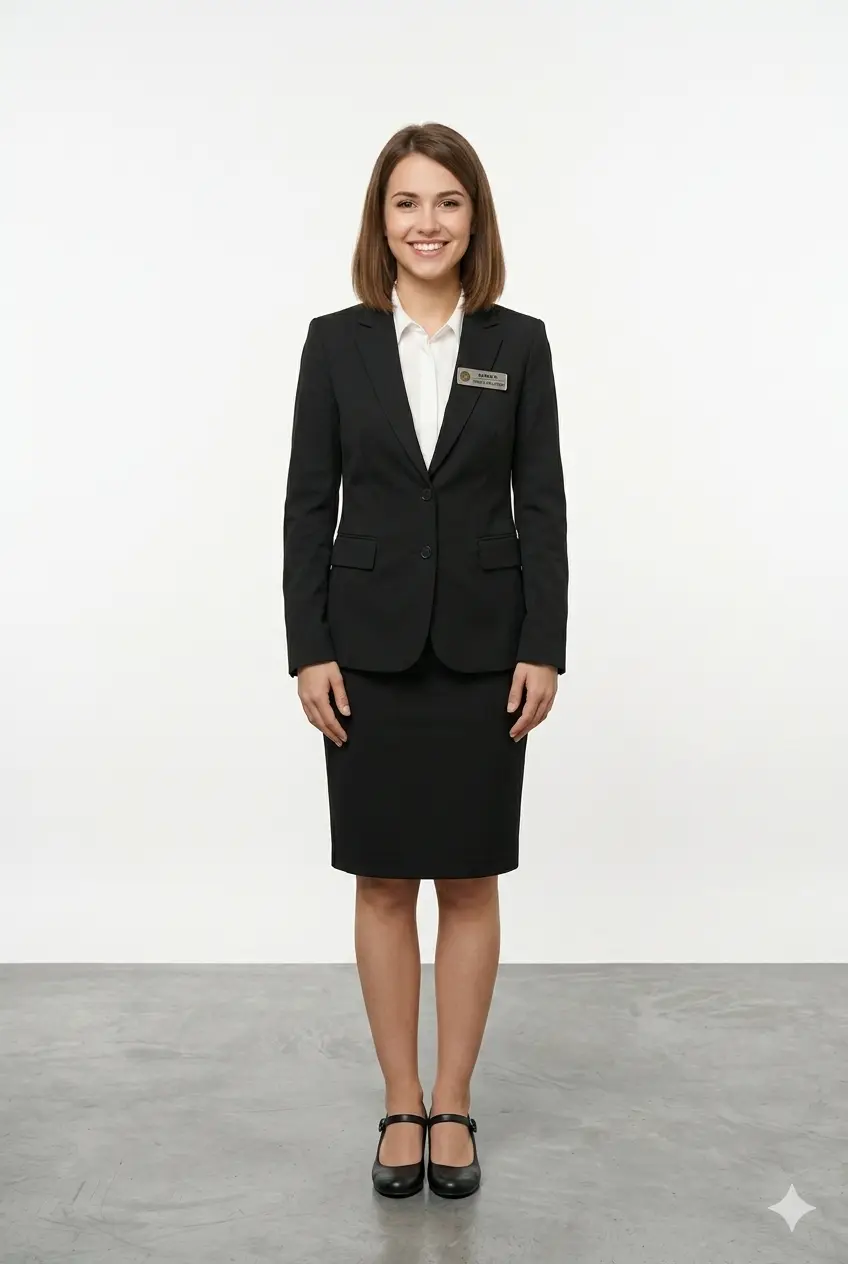
Corporate Offices Combed cotton or quality poly-cotton blends work well. Most offices in the UAE are heavily air-conditioned, but staff are commuting in 42°C heat. A fabric that performs in both conditions matters more than people realise.
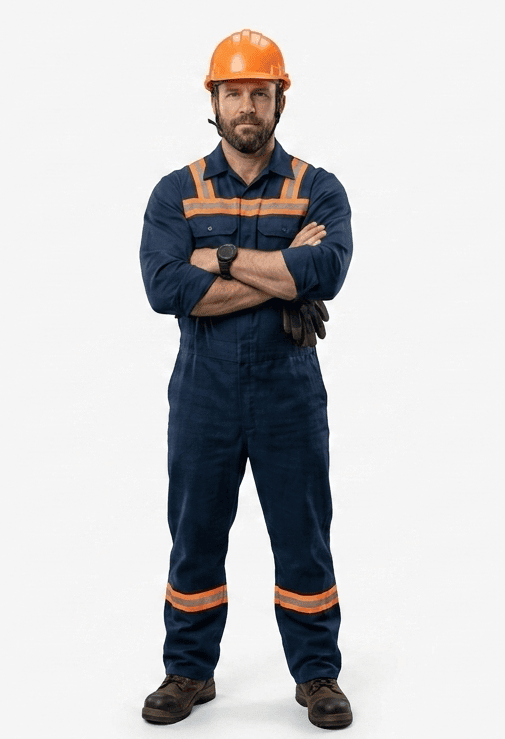
Construction and Industrial Ripstop or treated poly-cotton blends rated for UAE safety conditions. This is not an area to cut corners — both for staff welfare and for compliance with UAE workplace regulations.
Healthcare and Medical Moisture-wicking poly-cotton scrubs with anti-microbial treatment where required. Staff are working long shifts where hygiene is non-negotiable. The fabric needs to handle high-temperature washing repeatedly without losing its shape.
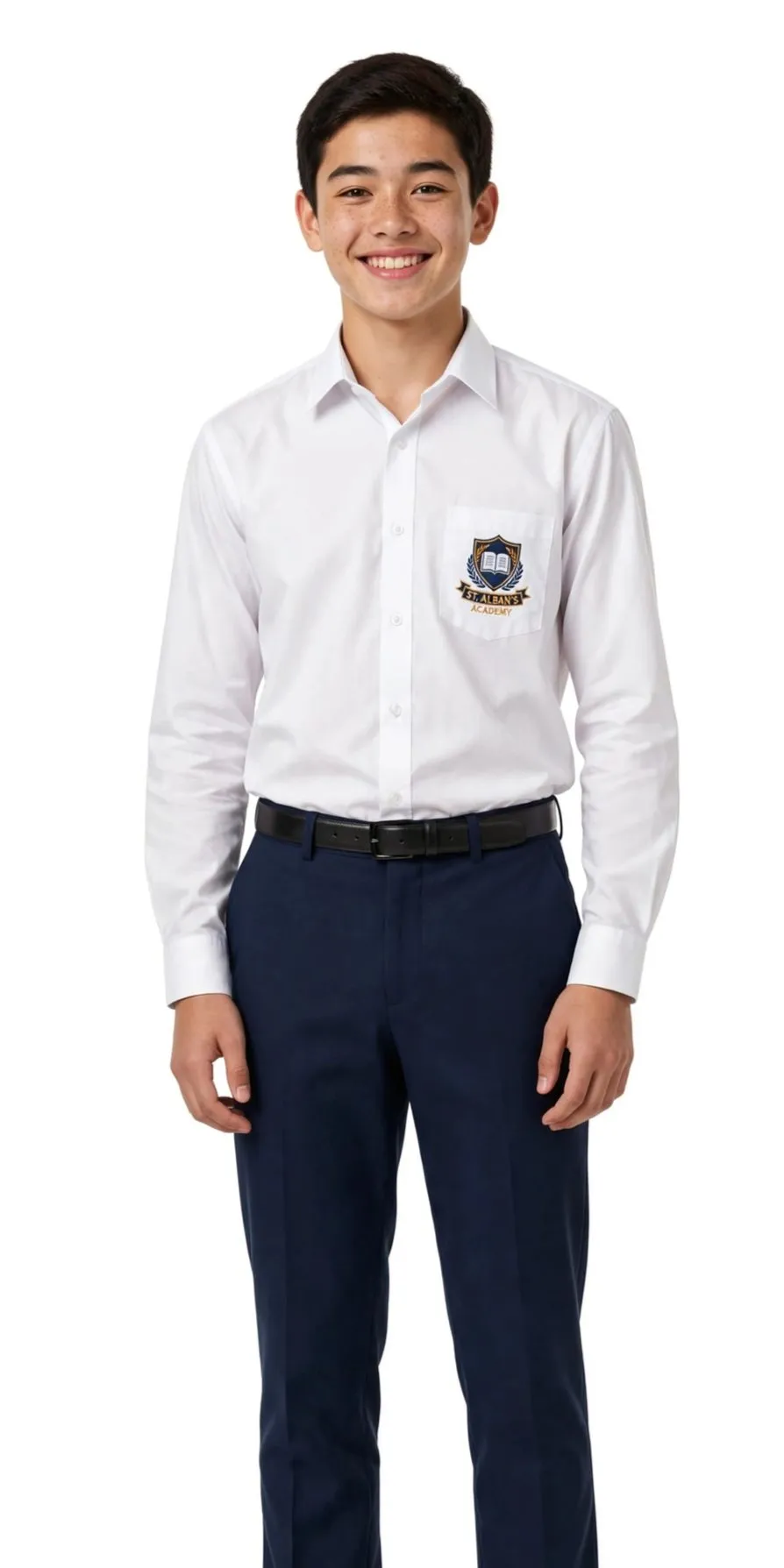
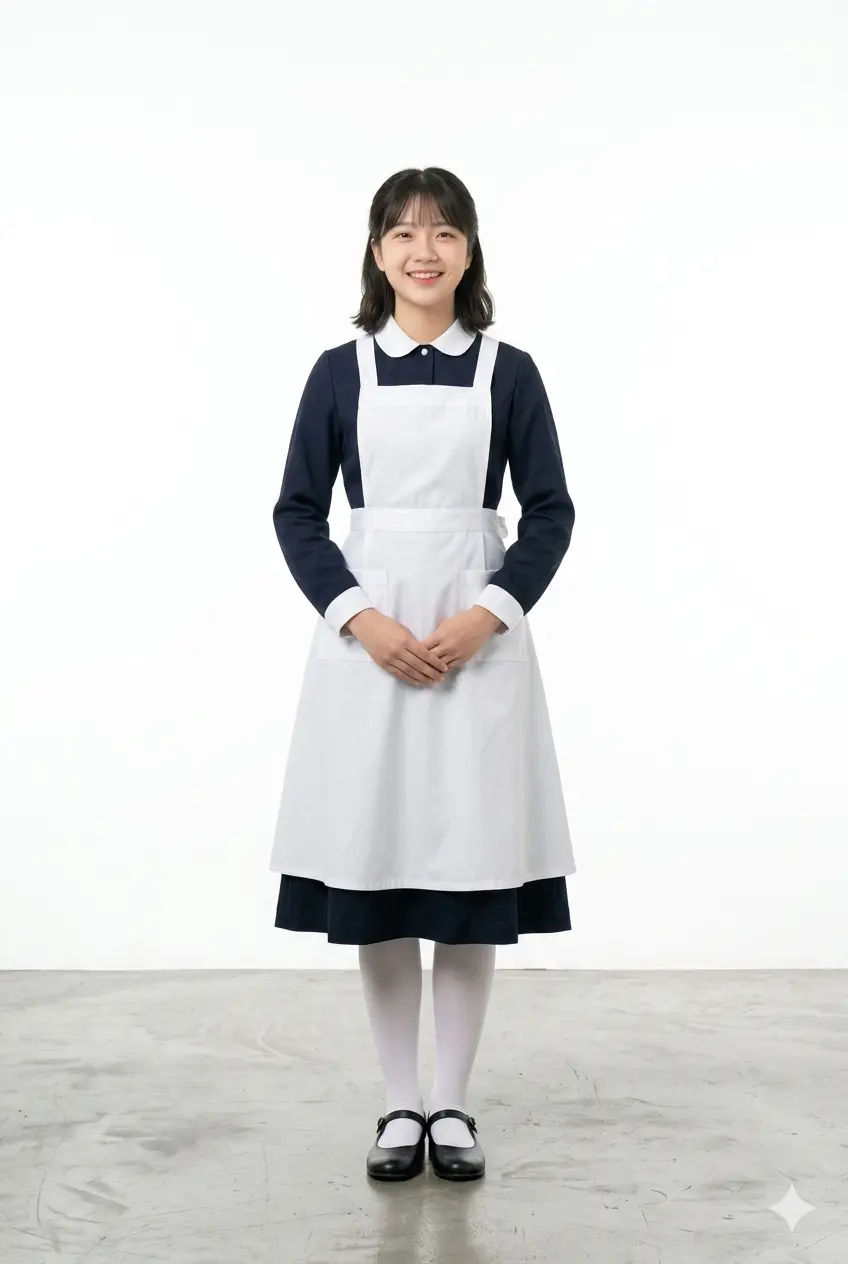
Schools Light cotton or cotton blends. Children are active, they’re outside at break times, and UAE school days are long. Breathability and ease of washing are the two priorities — everything else is secondary.
Frequently Asked Questions
Q: What is the single best fabric for UAE work uniforms? There isn’t one answer for every situation — which is exactly why this decision matters. For most indoor commercial roles, a quality 65/35 poly-cotton blend is the safest default. For outdoor or industrial roles, ripstop or moisture-wicking performance fabrics are more appropriate. For premium hospitality, linen is worth serious consideration. The environment, shift length, and level of physical activity all change the answer.
Q: Our previous uniforms kept fading after washing — is that a fabric issue? Usually yes, and it’s a combination of dye quality and fabric grade. Cheaper fabrics use lower-quality dyes that break down quickly under repeated washing, especially at high temperatures. When spec’ing a fabric, ask specifically about colourfastness and wash rating — a good supplier will give you a direct answer on this.
Q: Does uniform colour affect how hot staff feel? It does for outdoor roles — lighter colours reflect more heat from the sun, darker colours absorb it. For anyone spending significant time outdoors in UAE summer, lighter shades make a real difference. For indoor environments, fabric choice has a much bigger impact on comfort than colour does.
Q: Can we get UV protection built into the fabric for our outdoor team? Yes — UPF-rated fabrics are widely available in workwear categories and are common in industrial and construction workwear for the UAE and GCC market. If your team has significant sun exposure, ask about this specifically when you brief your supplier.
Q: How do we choose the right fabric before placing a bulk order? Request a finished garment sample — not just a fabric swatch. Wearing the actual garment for a day or two in the real work environment tells you far more than any product description. A supplier confident in their fabric quality will have no issue with this request.
Q: What fabric weight should we be asking for? For most UAE commercial applications, 160–200 gsm (grams per square metre) is the practical range. Lighter than 160 gsm can feel insubstantial and may not hold its shape. Heavier than 200 gsm is generally too warm for summer conditions unless the role requires it for protection or safety reasons.
One Last Thing Before You Order
Most of the uniform problems I hear about in the UAE — fading, uncomfortable staff, uniforms that look worn after three months — trace back to a decision made in thirty seconds at the procurement stage. Somebody picked a supplier based on price, didn’t ask about the fabric, and found out later what that trade-off actually looked like.
Fabric is not the most exciting part of ordering uniforms. But it is the part that determines whether your team is comfortable, whether your brand looks sharp at the end of a shift, and whether you’re reordering in six months or in eighteen.
If you’re not sure what the right fabric is for your team’s environment and workload, just ask before you commit — not after the order lands.
At 247 Uniforms, we’ve been supplying custom workwear across Abu Dhabi and the UAE for over thirteen years. We know what works in this climate across hospitality, corporate, industrial, healthcare, and education. We’ll tell you exactly what we’d recommend for your specific situation, show you a 3D preview before production begins, and deliver a finished sample for your approval before we touch the bulk order.
Ready to order uniforms your team will actually be comfortable wearing? Get a free quote today → 247uniforms.ae/request-a-quote




Add comment