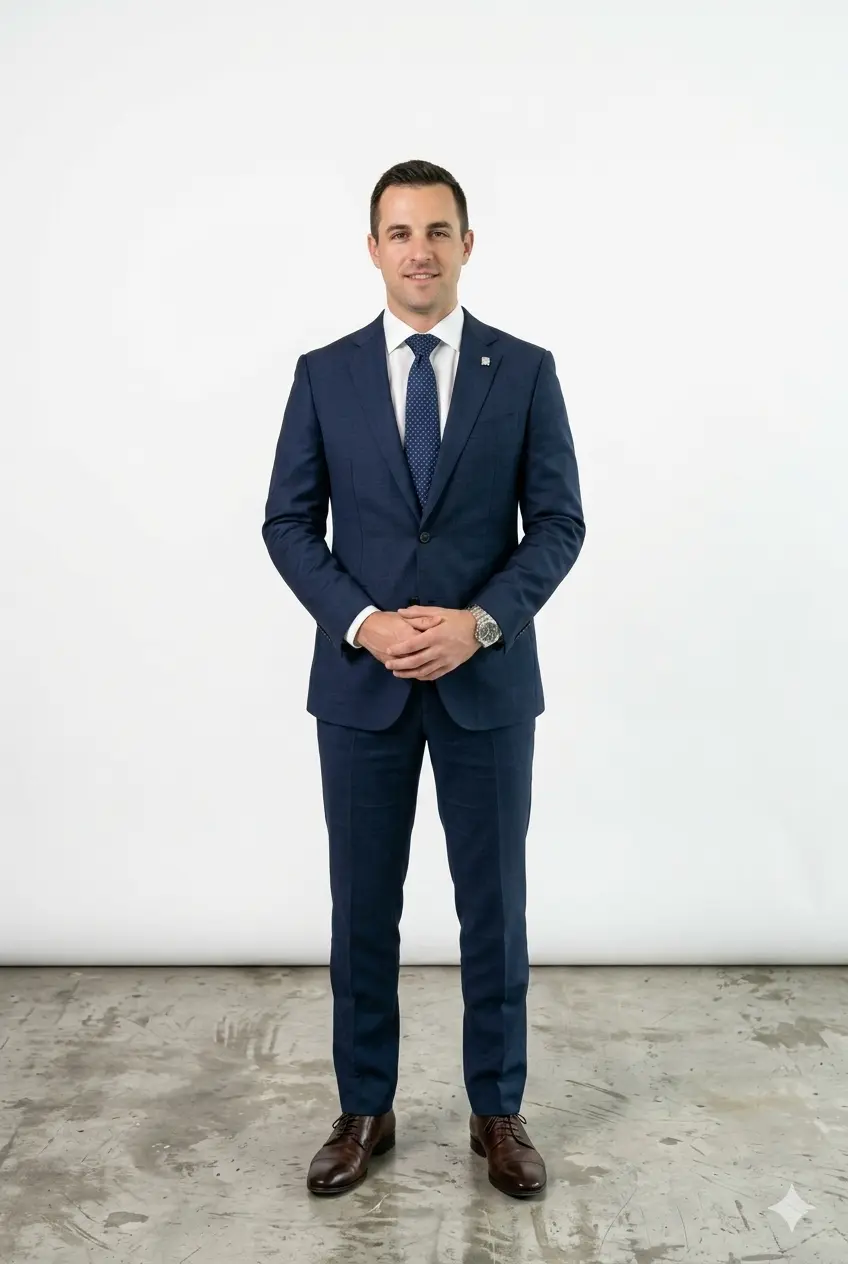
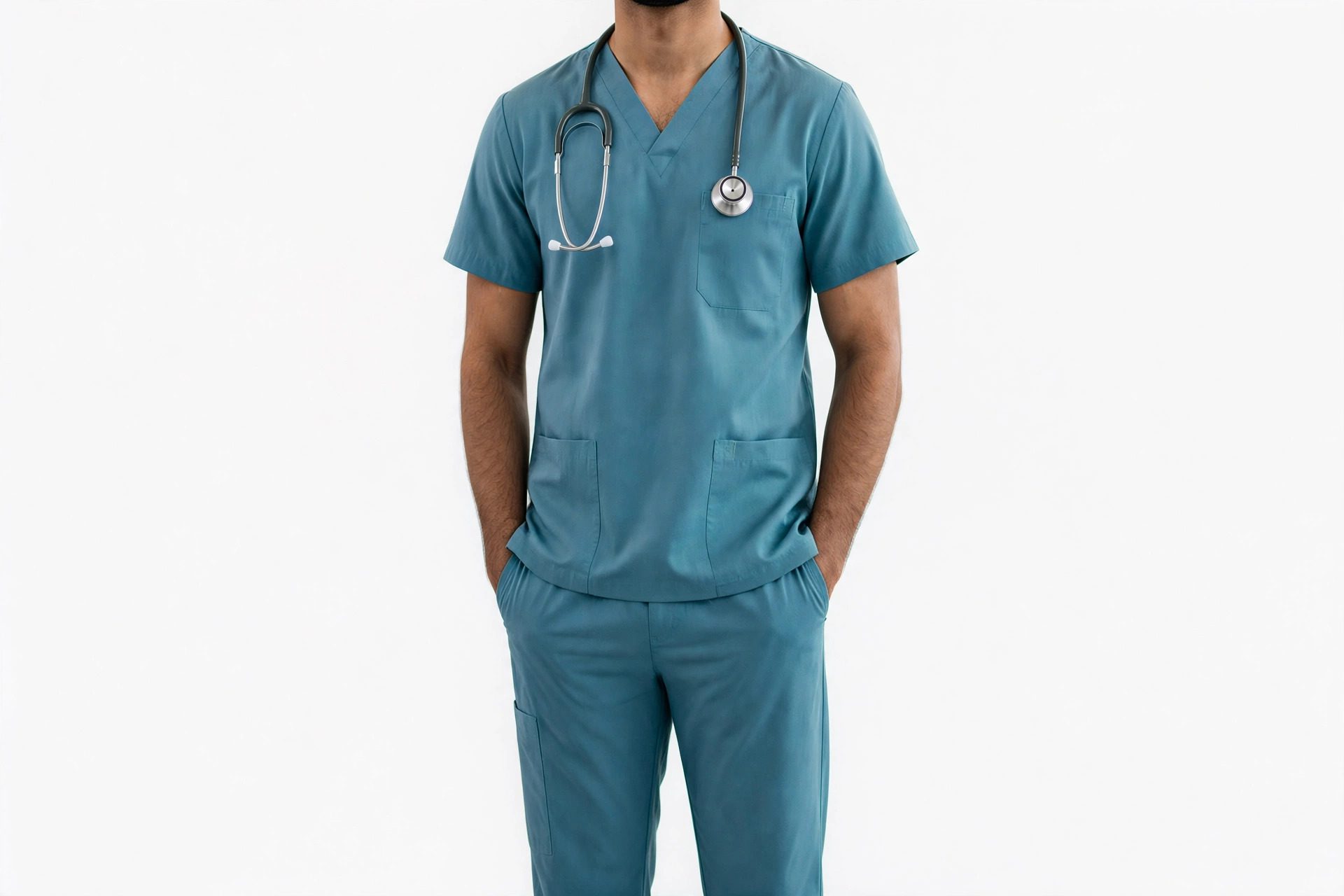
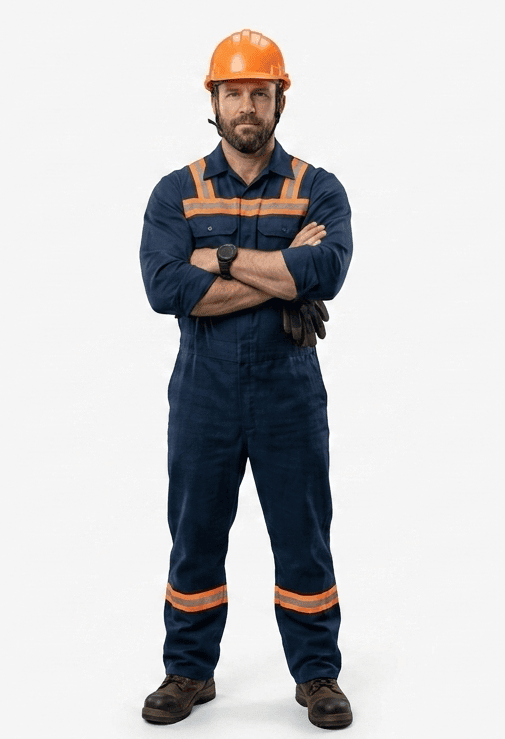
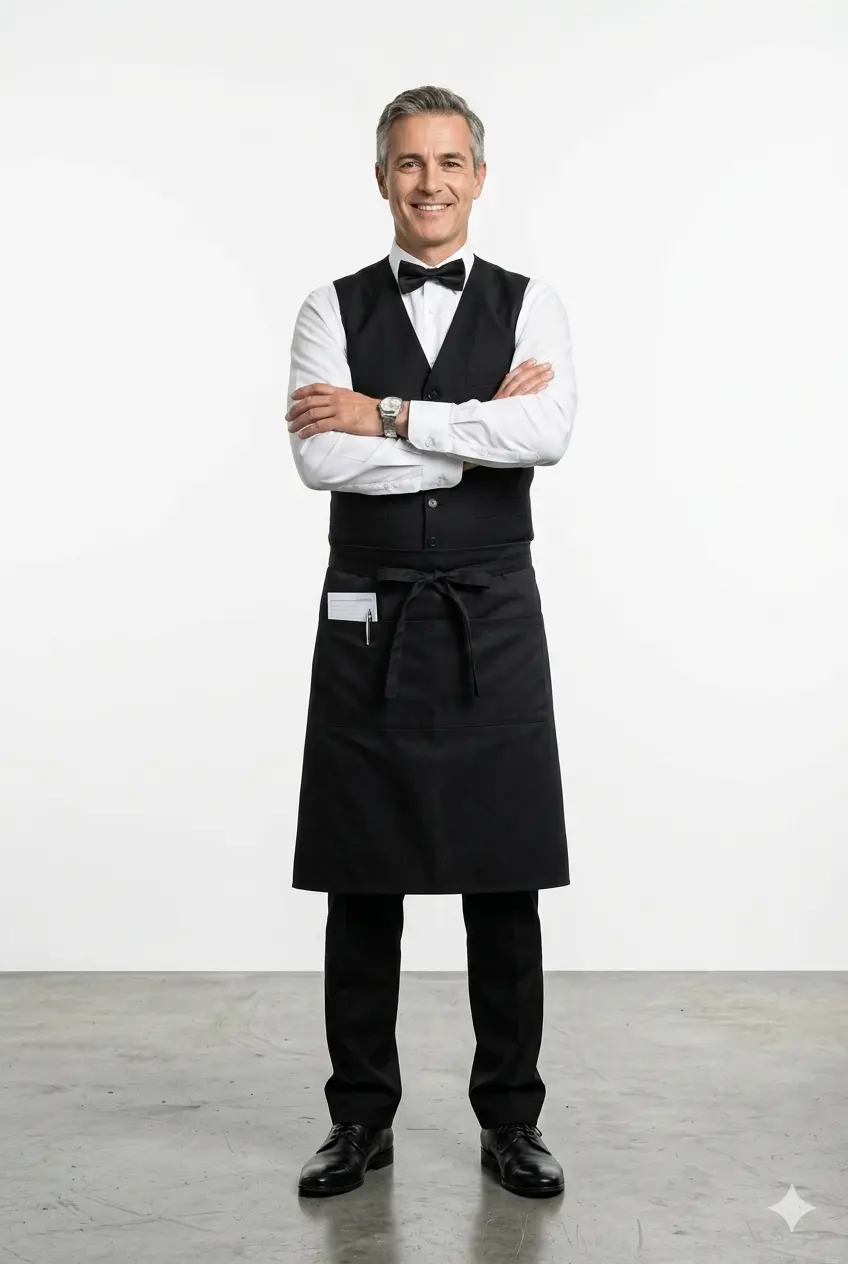
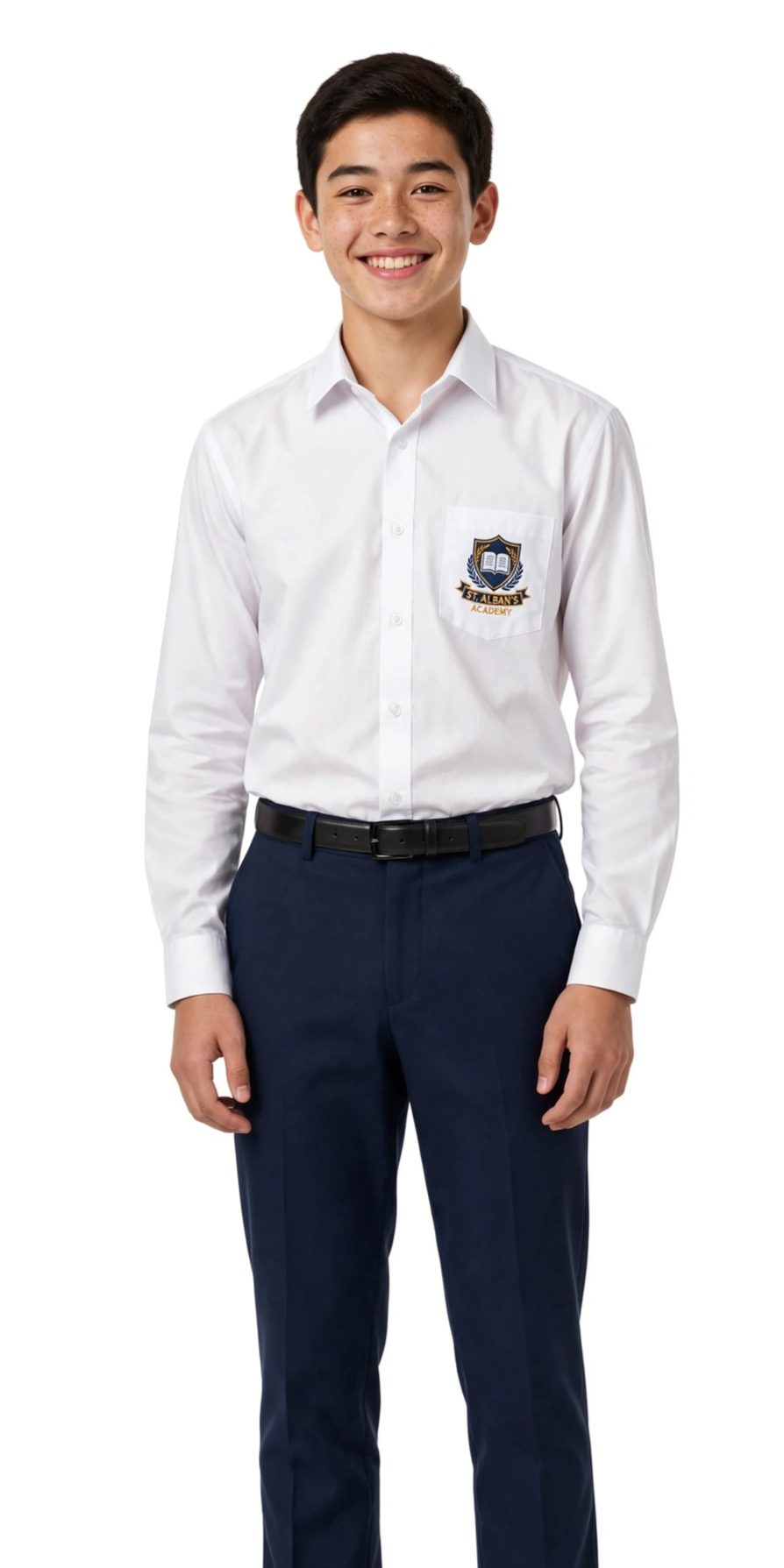
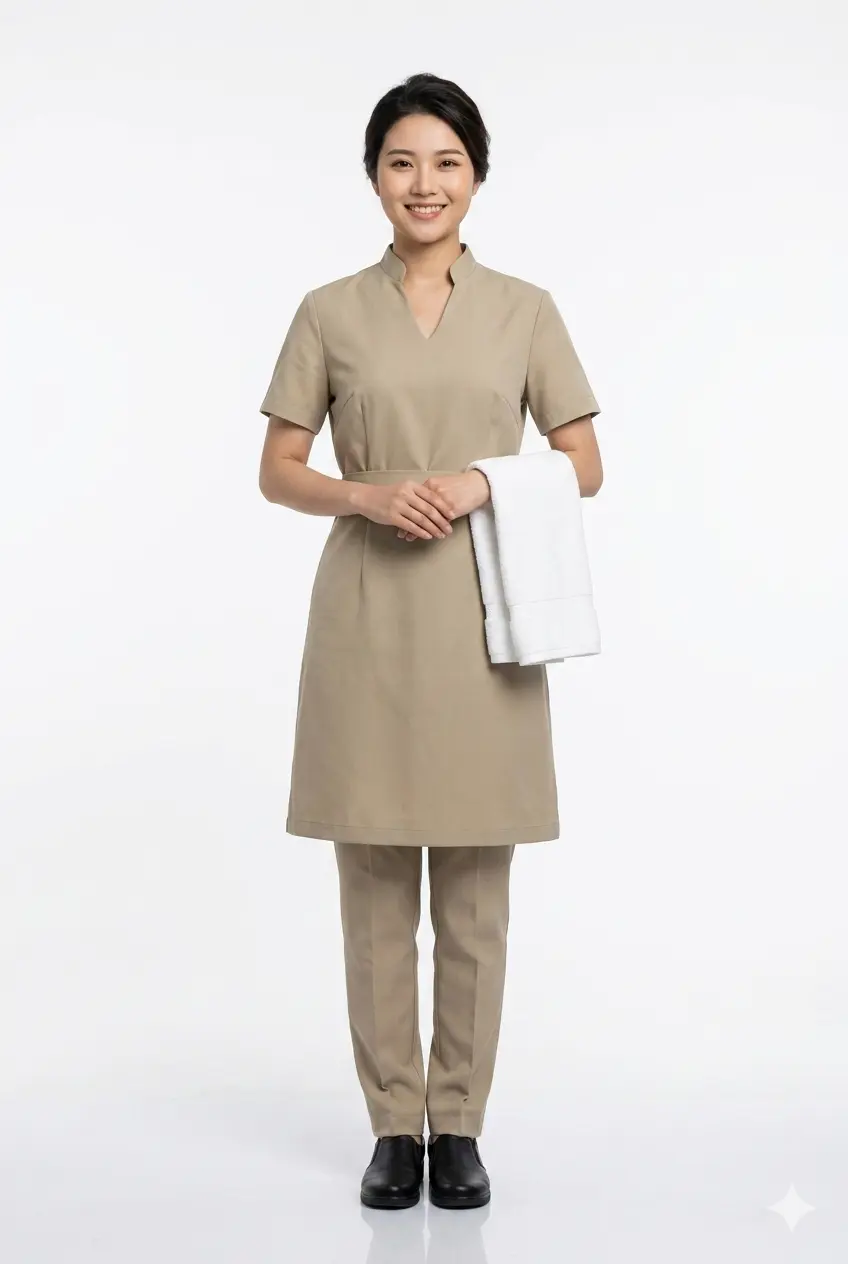
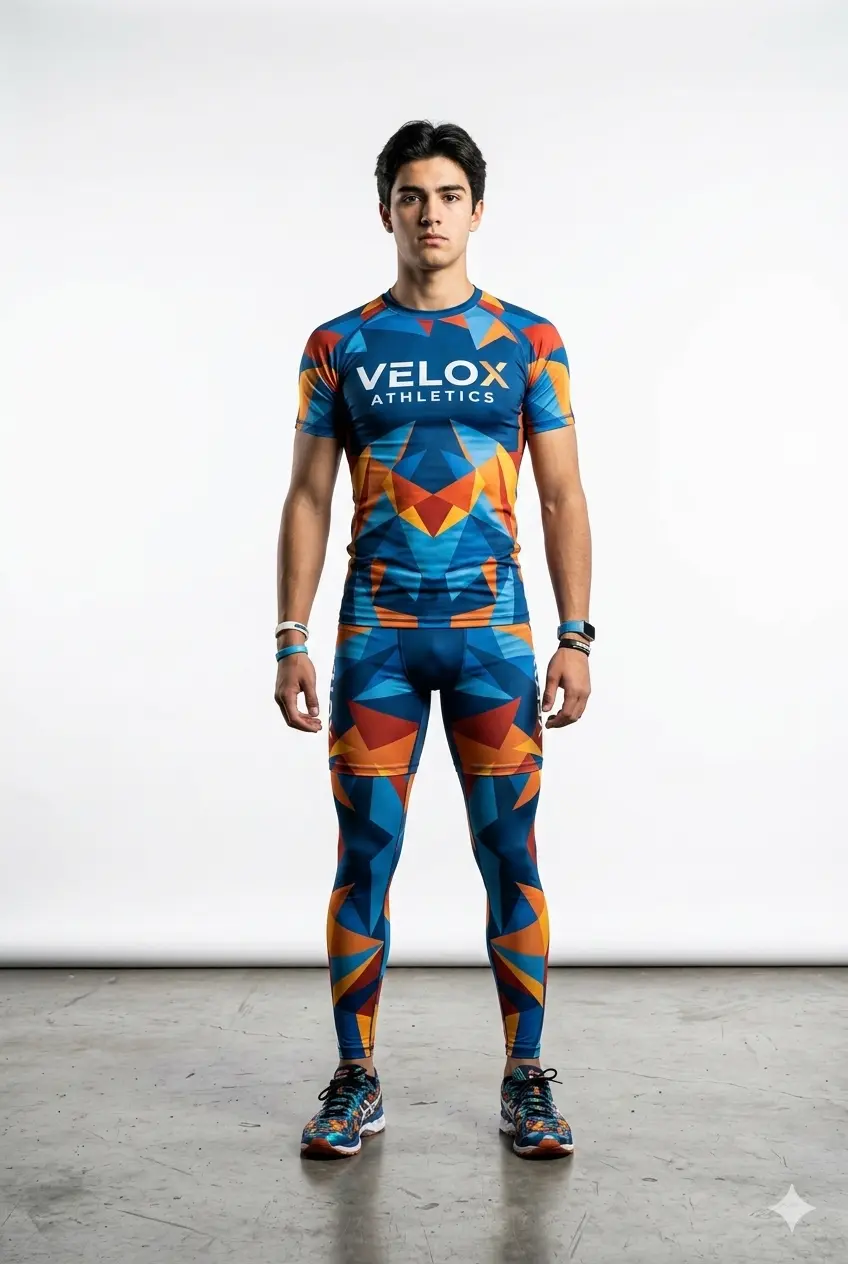
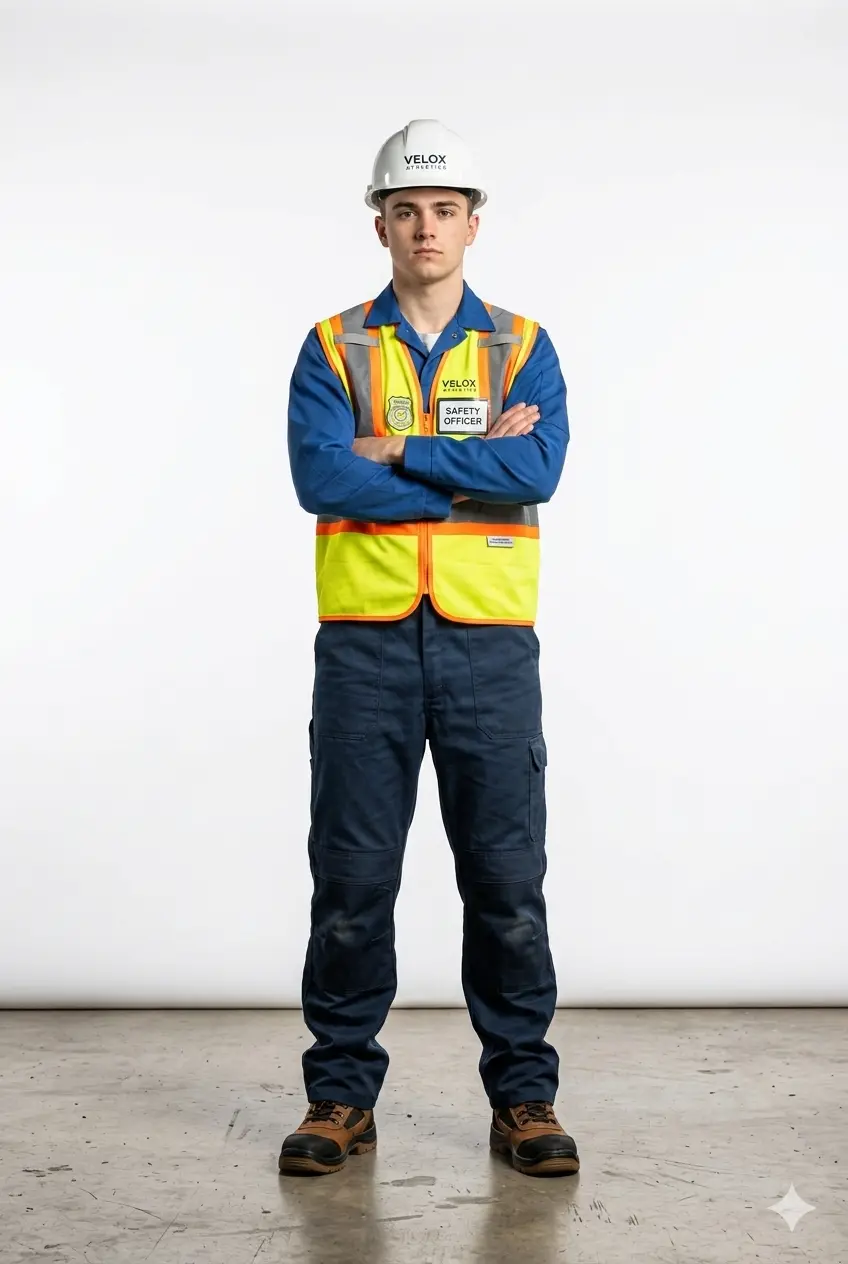
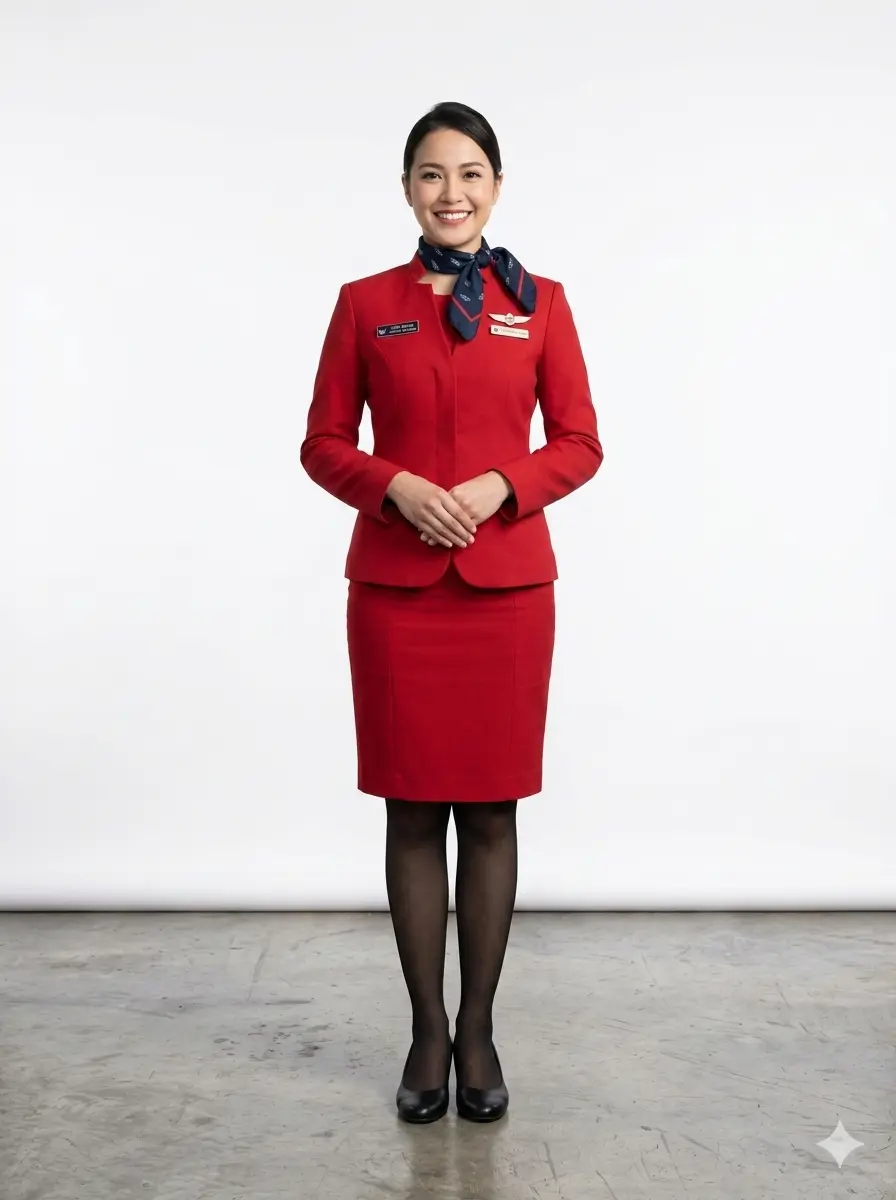
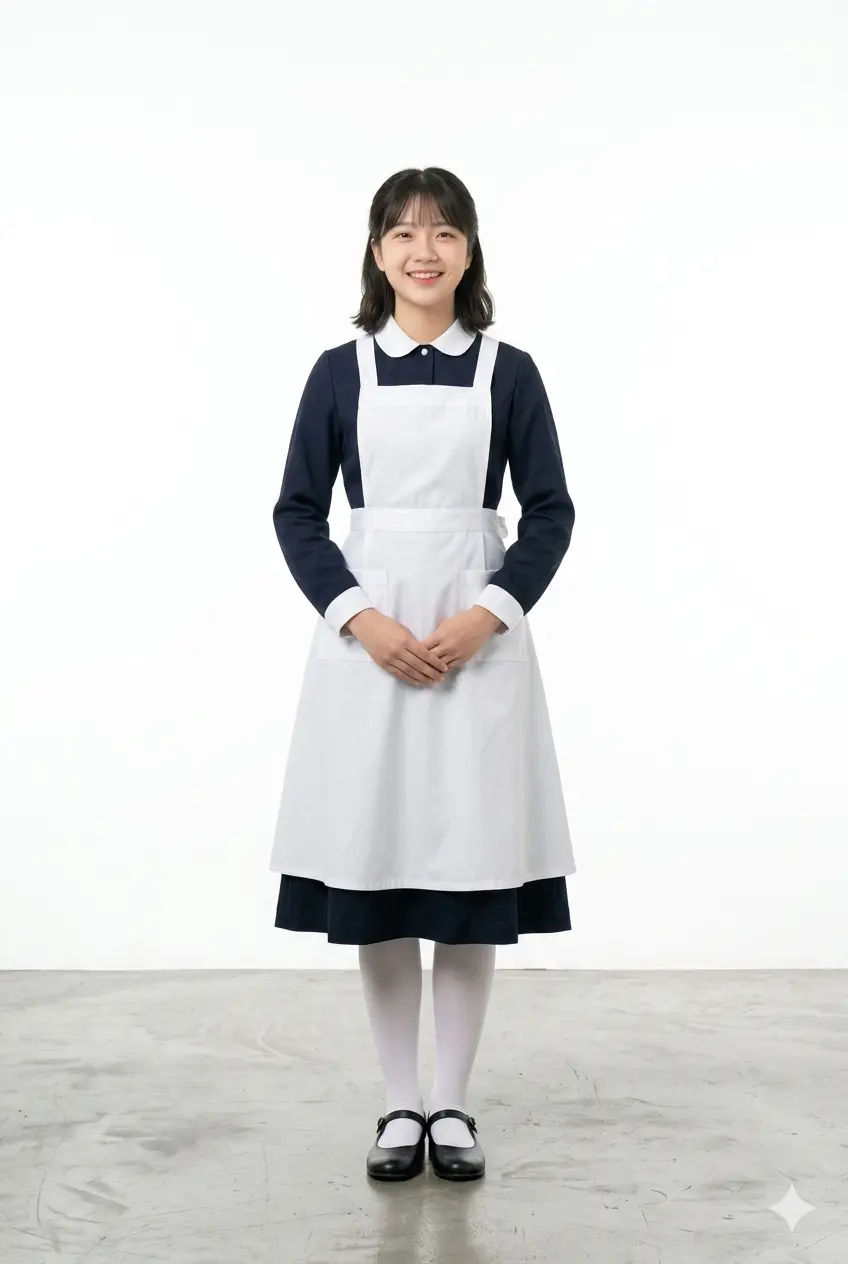
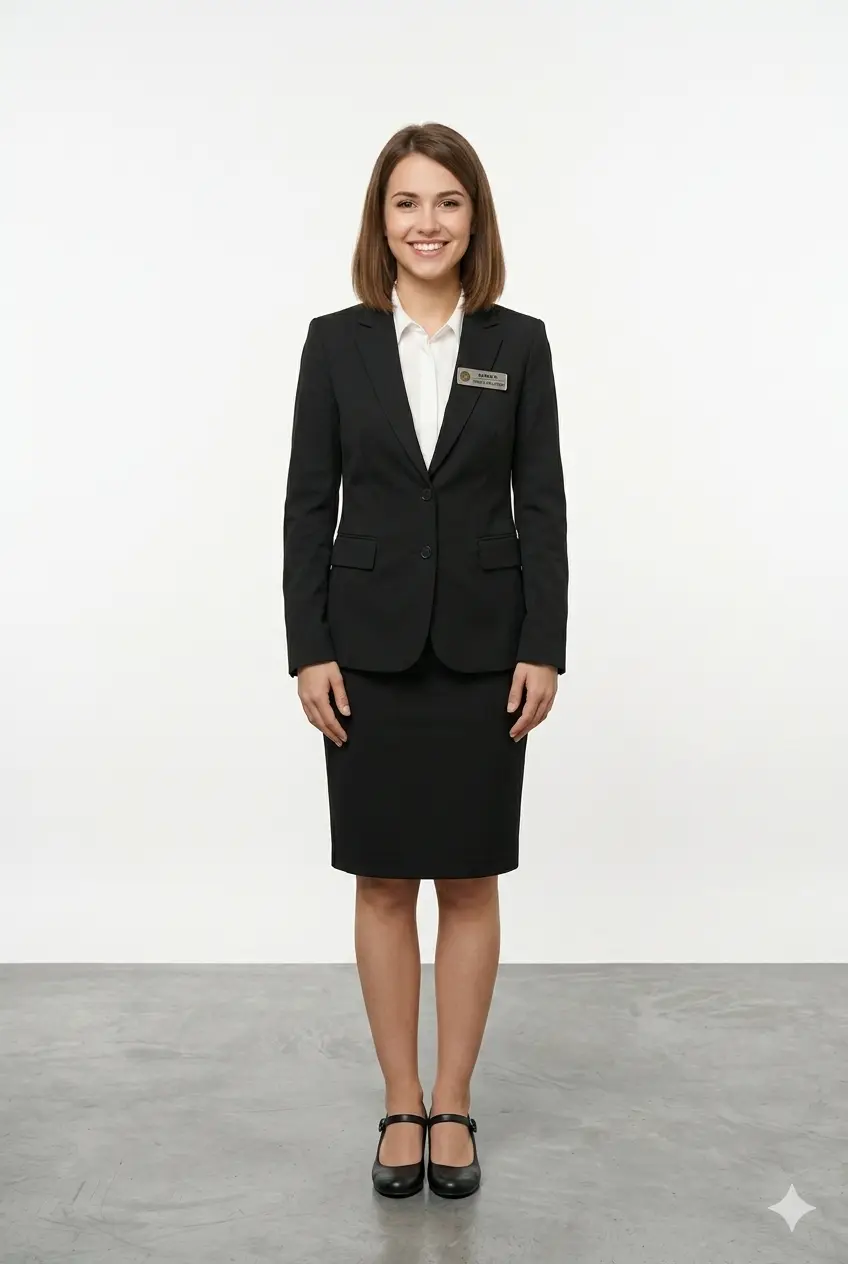
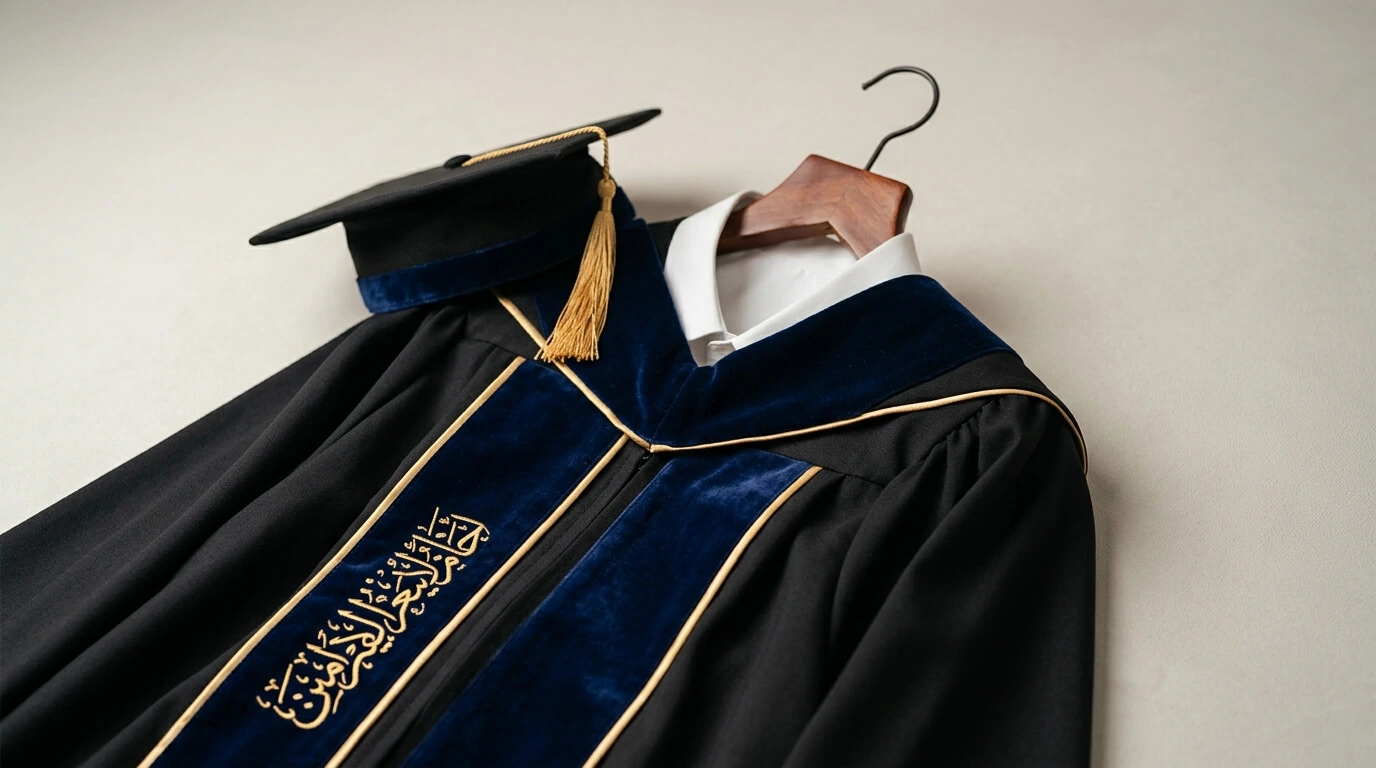
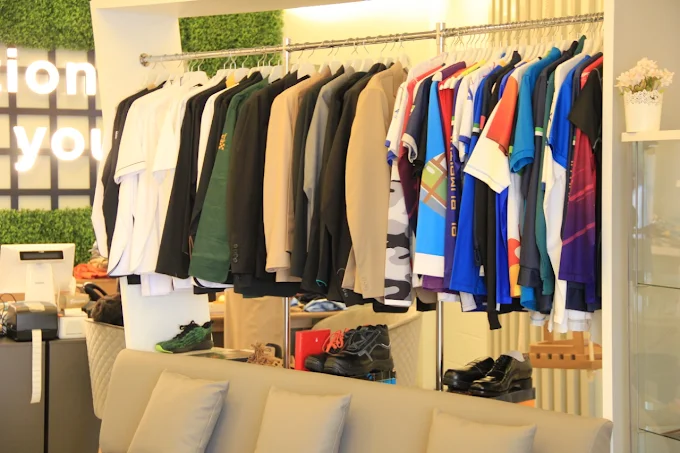

In 2026, UAE businesses are moving toward performance fabrics that handle extreme heat, muted “quiet luxury” colour palettes, sustainable and recycled textiles, gender-neutral cuts, embedded smart features like RFID tags for staff tracking, modest-friendly designs, and QR-linked uniform care labels. Abu Dhabi companies are prioritising comfort, brand consistency, and sustainability credentials over pure cost this year.
Introduction
Walk into any hotel lobby, clinic, or construction site in Abu Dhabi this year and you’ll notice something different about the uniforms. Fabrics feel lighter. Colours are calmer. And more than a few staff badges now carry a small RFID chip instead of just a name.
With 14+ years supplying uniforms to 500+ businesses across Abu Dhabi, Dubai, and the wider GCC, we’ve had a front-row seat to how fast uniform trends UAE 2026 have shifted — especially since 2024, when heat-resilience and sustainability stopped being “nice to have” and became client requirements written directly into RFPs.
This isn’t a trend list pulled from global fashion reports. Every trend below comes from what businesses are actually ordering from us right now, across hospitality uniforms, corporate uniforms, industrial uniforms, school uniforms, and beyond. If you’re planning a uniform refresh for 2026, this guide breaks down exactly what’s changing, why it’s changing, and what it means for your next order.
1. Heat-Adaptive Performance Fabrics
UAE summers routinely push past 45°C, and outdoor and semi-outdoor staff — valet teams, delivery riders, construction crews, landscaping teams — feel it first. In 2026, moisture-wicking, UV-resistant, and cooling-technology fabrics have moved from a premium add-on to a standard spec for most bulk orders we process, particularly for industrial uniforms and safety wears.
What this looks like in practice:
- Four-way stretch polyester blends for industrial coveralls that move with the body during physical labour
- Mesh-panelled inserts under the arms and back for hospitality staff standing for long shifts
- Lightweight ripstop fabric for security and facilities teams who spend most of the day outdoors
- Quick-dry lining in kitchen and F&B uniforms to handle both heat and steam exposure
Why it matters for your business: Heat-related discomfort is one of the top reasons for uniform non-compliance — staff quietly swap out pieces of an official uniform because they’re uncomfortable. Switching to breathable fabric fixes compliance and comfort at the same time, without changing the design or branding.
2. “Quiet Luxury” Colour Palettes
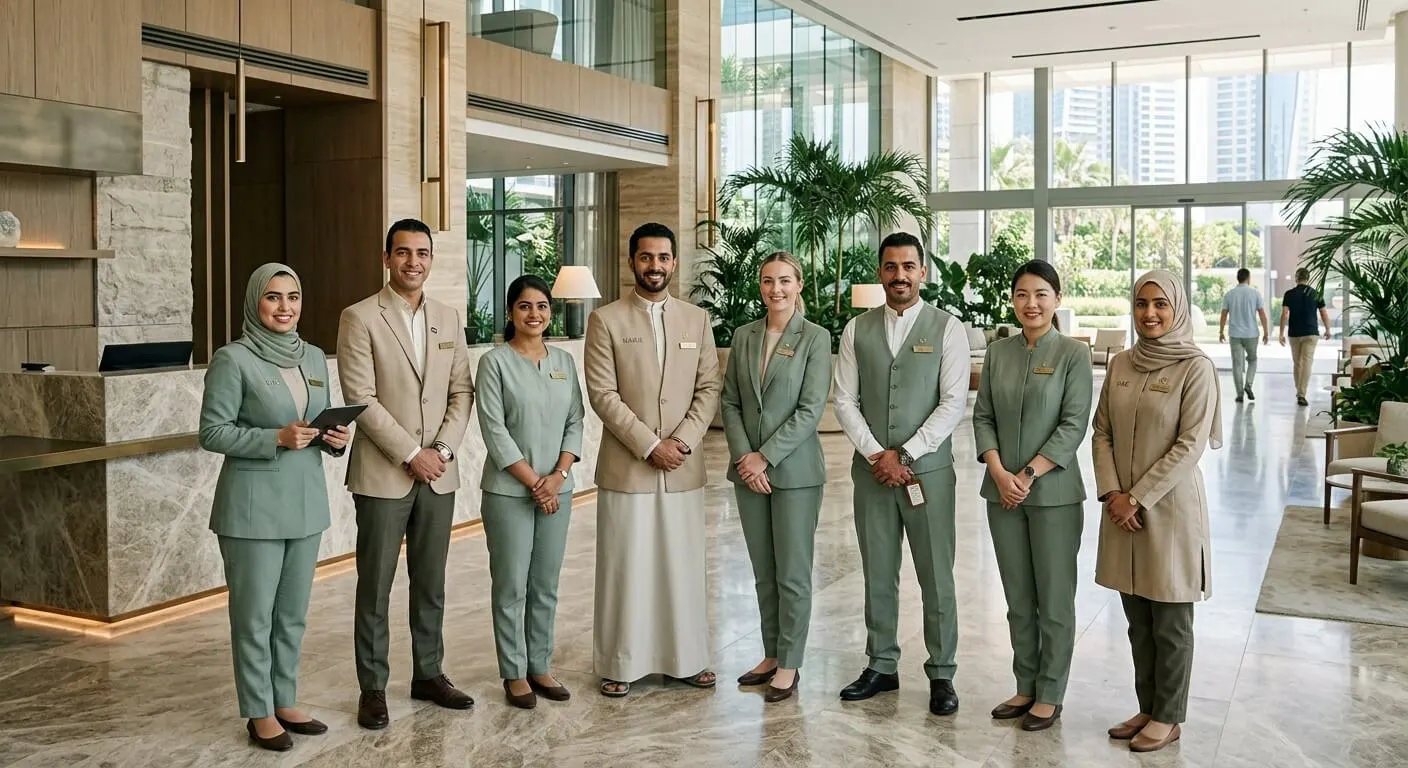
Bright branded colours haven’t disappeared, but 2026 has seen a clear pivot toward muted, tonal palettes — sage green, sand, charcoal, and dusty blue — especially in hospitality uniforms and corporate front-of-house roles. The idea is a uniform that reads as premium and understated rather than loud.
Hotels repositioning toward a boutique or five-star feel are the biggest drivers of this shift, often pairing a muted base uniform with one sharp accent colour tied to their brand identity. We’ve also seen this palette shift spread into spa and salon uniforms, where a calmer colour scheme reinforces the relaxed, premium experience clients expect.
Practical tip: If your brand colours are naturally bold (bright red, orange, or yellow), you don’t need to abandon them — many 2026 orders keep the bold colour as a single accent (piping, collar, or logo panel) against a muted base, rather than covering the whole garment.
3. Sustainable and Recycled Textiles
Sustainability has moved from marketing language to a genuine procurement filter. More UAE corporates — particularly those with ESG reporting requirements — are now asking suppliers directly about recycled polyester content, organic cotton blends, and low-impact dyeing processes before signing a corporate uniforms contract.
We’ve seen this most strongly in corporate and banking sector orders, where sustainability credentials now sit alongside price and lead time as a decision factor. Some of the specific requests we’re fulfilling in 2026:
- Recycled polyester (rPET) blends made from post-consumer plastic bottles
- GOTS-certified organic cotton for shirts and polos
- Water-based, low-impact dyeing for large batch orders
- Take-back or recycling programmes for retired uniform stock
This trend is strongest among multinational and government-linked entities with formal ESG targets, but it’s spreading into mid-sized businesses too, as sustainable fabric costs have come down with wider mill availability across the GCC.
4. Gender-Neutral and Adaptive Cuts
Uniform ranges built around a single unisex cut with adjustable fits — rather than separate rigid “male” and “female” styles — have become far more common in 2026, particularly for corporate uniforms, aviation-adjacent, and hospitality roles. This reduces sizing complexity for HR teams and speeds up bulk reordering when staff turnover happens.
What’s changed in practical terms:
- Adjustable waistbands and drawcords instead of fixed sizing
- Shared silhouette across genders, with tailoring differences kept minimal
- Simplified size charts (XS–3XL across one style, instead of separate male/female size runs)
- Faster reorder turnaround since HR only manages one style code per role, not two
5. Smart and Connected Uniforms
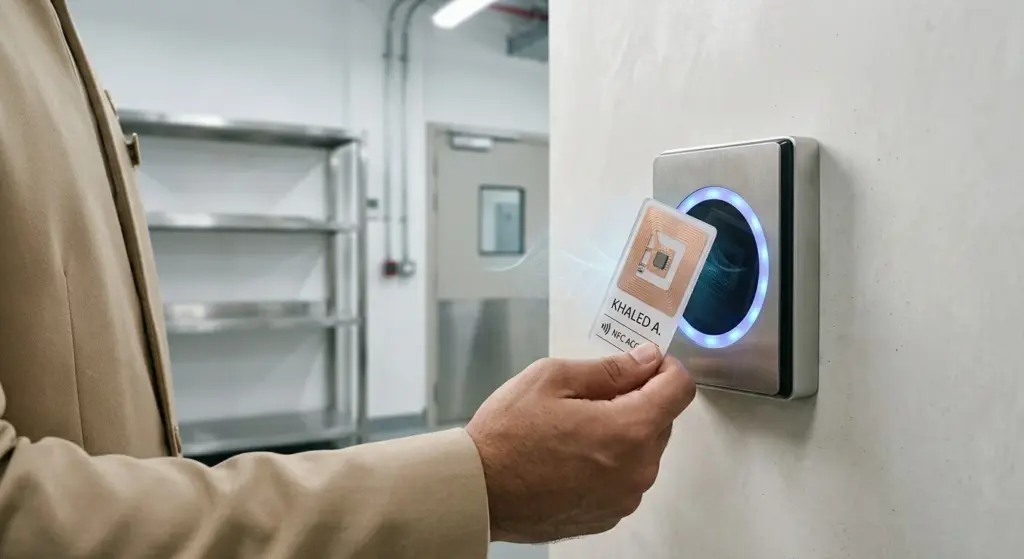
This is the trend generating the most questions from Abu Dhabi clients right now. RFID-embedded name badges, NFC-tagged uniforms for asset tracking (especially in large hotel housekeeping and industrial uniforms laundry operations), and QR-coded care labels are being requested by facilities and industrial clients managing hundreds of uniform sets across shifts.
It’s a practical trend, not a gimmick — it solves real operational problems:
- Uniform loss tracking: RFID tags let facilities teams scan and locate uniform stock across multiple laundry cycles instead of manually counting
- Attendance and shift verification: NFC badges tapped at entry points double as a lightweight attendance log
- Laundry sorting at scale: QR-coded care labels tell industrial laundry operators the exact wash cycle per fabric type, reducing damage from incorrect washing
- Inventory forecasting: Tagged uniforms give facilities managers real usage data to plan reorders before stock runs critically low
This trend is currently concentrated in large-scale operations — hotels with 200+ housekeeping staff, industrial sites with rotating shift crews — where manual tracking has become genuinely unmanageable.
6. Modest-Friendly Uniform Design as Standard, Not Custom
Modest workwear — longer hemlines, higher necklines, integrated hijab-friendly options, and abaya-style uniform variants — has shifted from a special request to a standard line item in most of our hospitality uniforms, healthcare, and school uniforms catalogues in 2026. Businesses across the UAE increasingly build one modest-inclusive uniform range from the start rather than treating it as a customisation added later.
This shift is also visible in retail and front-desk corporate roles, where modest and standard cuts are now offered side by side as equal options within the same uniform line, rather than the modest version being a separate, delayed add-on.
7. Durable, Low-Maintenance Fabric Finishes
With commercial laundry and staffing costs rising, UAE businesses are prioritising fabric finishes that resist staining, wrinkling, and fading through repeated industrial washes. Stain-release and wrinkle-resistant treatments — once mainly used for F&B uniforms — are now standard requests across corporate uniforms, industrial uniforms, and school uniforms orders alike, simply because they cut replacement frequency and laundry turnaround time.
Cost impact worth knowing: A uniform with a durable finish typically costs slightly more per piece upfront, but businesses ordering in bulk usually see the real saving on the replacement cycle — fewer pieces need replacing mid-contract, which matters most for large industrial and school orders where hundreds of pieces are in rotation at once.
How These Trends Compare: Quick Reference
| Trend | Best For | Typical Cost Impact |
|---|---|---|
| Heat-adaptive fabrics | Industrial, outdoor, hospitality | Moderate increase |
| Quiet luxury palettes | Hospitality, corporate front-of-house | Minimal to none |
| Sustainable textiles | Corporate, ESG-driven businesses | 10-20% increase |
| Gender-neutral cuts | Corporate, aviation-adjacent | Minimal to none |
| Smart/connected uniforms | Large hotels, industrial operations | Moderate increase (per-tag cost) |
| Modest-friendly design | Hospitality, healthcare, education, retail | Minimal to none |
| Durable low-maintenance finishes | Corporate, industrial, school | Slight increase upfront, savings long-term |
Our Experience: What We’ve Seen at 247 Uniforms
Working across 500+ UAE businesses, the pattern is consistent: clients in 2026 aren’t chasing trends for the sake of it — they’re solving specific operational problems. A five-star hotel client moved to muted tones and cooling fabrics after staff feedback on summer discomfort during valet and outdoor roles. An industrial client added RFID tags after repeatedly losing track of coveralls across three shift rotations. A school client requested modest-inclusive options as a standard part of their base school uniforms range, not a special order.
The businesses getting the most value from these trends are the ones treating uniform decisions as an operations and branding decision together — not just an annual purchase.
Frequently Asked Questions
What is the most requested uniform trend in UAE for 2026?
Heat-adaptive performance fabric is currently the most requested feature across our bulk orders, especially for outdoor-facing hospitality, facilities, and industrial roles working in direct Abu Dhabi and Dubai heat.
Are sustainable uniforms more expensive in the UAE?
Recycled-content and sustainable fabric uniforms typically cost 10-20% more per piece than standard fabric, though the gap has narrowed as more mills in the region stock these materials in bulk.
Do UAE companies need modest uniform options?
Modest-friendly cuts are not legally mandated for private businesses in the UAE, but they’ve become a practical default in hospitality, healthcare, education, and retail uniform ranges to suit a diverse workforce.
What is a smart or connected uniform?
A smart uniform has an embedded feature — usually an RFID or NFC tag sewn into a badge or garment — used for staff attendance tracking, uniform inventory management, or laundry sorting in large operations.
How much does it cost to update a company’s uniforms to 2026 trends?
Cost depends on fabric choice, customisation level, and order volume, but most UAE businesses budget per-piece pricing and order a minimum of 10 pieces per style when updating a uniform range.
Where can Abu Dhabi businesses get 2026-trend uniforms made?
Businesses can work with a local UAE-based manufacturer that already stocks performance and sustainable fabrics, rather than importing samples — this shortens lead time significantly, typically to 7-14 working days.
Do gender-neutral uniforms cost more than traditional male/female uniform sets?
No — gender-neutral uniform ranges are usually cost-neutral or slightly cheaper to produce at scale, since a business only needs to stock and manage one style code per role instead of two separate size runs.
How long does it take to switch an entire company to a new uniform trend?
For a full company-wide refresh, most UAE businesses should budget 7-14 working days for standard bulk production after design approval, with express options available for urgent rollouts.
Conclusion
Uniform decisions in 2026 are no longer just about looking sharp — they’re about comfort in extreme heat, sustainability credentials, and operational efficiency at scale. Whether you’re updating one department or rolling out a full company-wide refresh, getting the fabric, cut, and finish right from the start saves money and headaches down the line.
If you’re looking to update your team’s uniforms with any of these 2026 trends in Abu Dhabi or across the UAE, 247 Uniforms can help — 14+ years of in-house manufacturing experience, 500+ businesses served, and a free quote in 24 hours. Get a free quote →

Add comment